Tanzania is a land of breathtaking landscapes, from the endless plains of the Serengeti to the lush forests of the Eastern Arc Mountains. It is home to an extraordinary diversity of wildlife, including Africa’s Big Five, over 1,100 bird species, and countless unique plants. But this natural beauty is under constant threat from poaching, habitat loss, and climate change. Wildlife conservation in Tanzania is not just an environmental effort it is a lifeline for the country’s ecosystems, tourism industry, and communities.
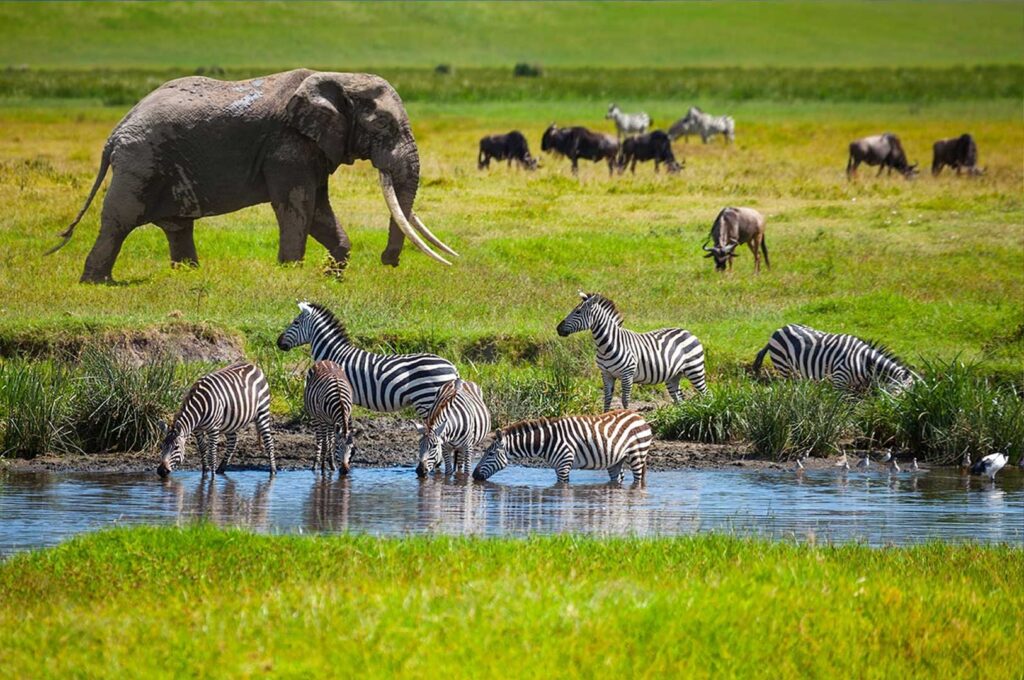
Wildlife plays a central role in Tanzania’s identity, economy, and ecology. Tourism, much of it driven by wildlife safaris, contributes significantly to the national GDP. Without effective conservation, species like elephants, lions, and rhinos could face severe population declines, impacting both biodiversity and livelihoods.
Key reasons wildlife conservation is critical in Tanzania include:
Protecting endangered species like the black rhino and African wild dog.
Maintaining ecosystem balance to support biodiversity.
Sustaining tourism which funds community development and conservation projects.
Preserving cultural heritage, as wildlife is deeply embedded in Tanzanian traditions.
Tanzania has set aside more than 38% of its land for wildlife protection through national parks, game reserves, and conservation areas. Some of the most significant include:
Serengeti National Park – World-famous for the Great Migration and predator-rich plains.
Ngorongoro Conservation Area – A UNESCO World Heritage Site with a unique blend of wildlife and Maasai culture.
Selous Game Reserve – One of Africa’s largest protected areas, home to rare wild dogs.
Ruaha National Park – Known for its large elephant population and untouched wilderness.
Despite strong protection efforts, Tanzania’s wildlife faces multiple challenges:
Poaching for ivory, rhino horn, and bushmeat.
Human-wildlife conflict as communities expand into animal habitats.
Climate change altering migration patterns and food availability.
Illegal logging and mining causing habitat destruction.
Tanzania has pioneered Community-Based Conservation (CBC) programs, empowering local people to take part in protecting wildlife. These initiatives include:
Wildlife Management Areas (WMAs) – Community-run conservation zones that benefit locals through eco-tourism.
Anti-poaching patrols employing locals as rangers.
Education programs to raise awareness about sustainable living and conservation benefits.
When you choose a responsible safari operator, you directly contribute to wildlife conservation. Your safari fees help fund:
Park maintenance and ranger salaries.
Anti-poaching operations.
Community development projects that reduce dependence on wildlife exploitation.
With continued efforts from the government, NGOs, local communities, and responsible tourism, Tanzania can maintain its position as one of the world’s greatest wildlife havens. The future depends on sustainable practices, strong law enforcement, and global support.
Wildlife conservation in Tanzania is more than protecting animals it’s about preserving the soul of the nation. Every traveler who visits and respects the country’s natural heritage becomes a partner in this mission. By supporting conservation-focused tourism, we can ensure that Tanzania’s wildlife thrives for generations to come.