
When to Explore Ngorongoro Crater
Best Times to Explore Ngorongoro Crater
Ngorongoro Crater is one of Africa’s rare safari destinations where wildlife thrives year-round. Because animals reside permanently inside the crater, visitors are guaranteed sightings no matter when they go. Still, each season offers its own atmosphere, shaped by weather, scenery, tourist numbers, and photographic opportunities.
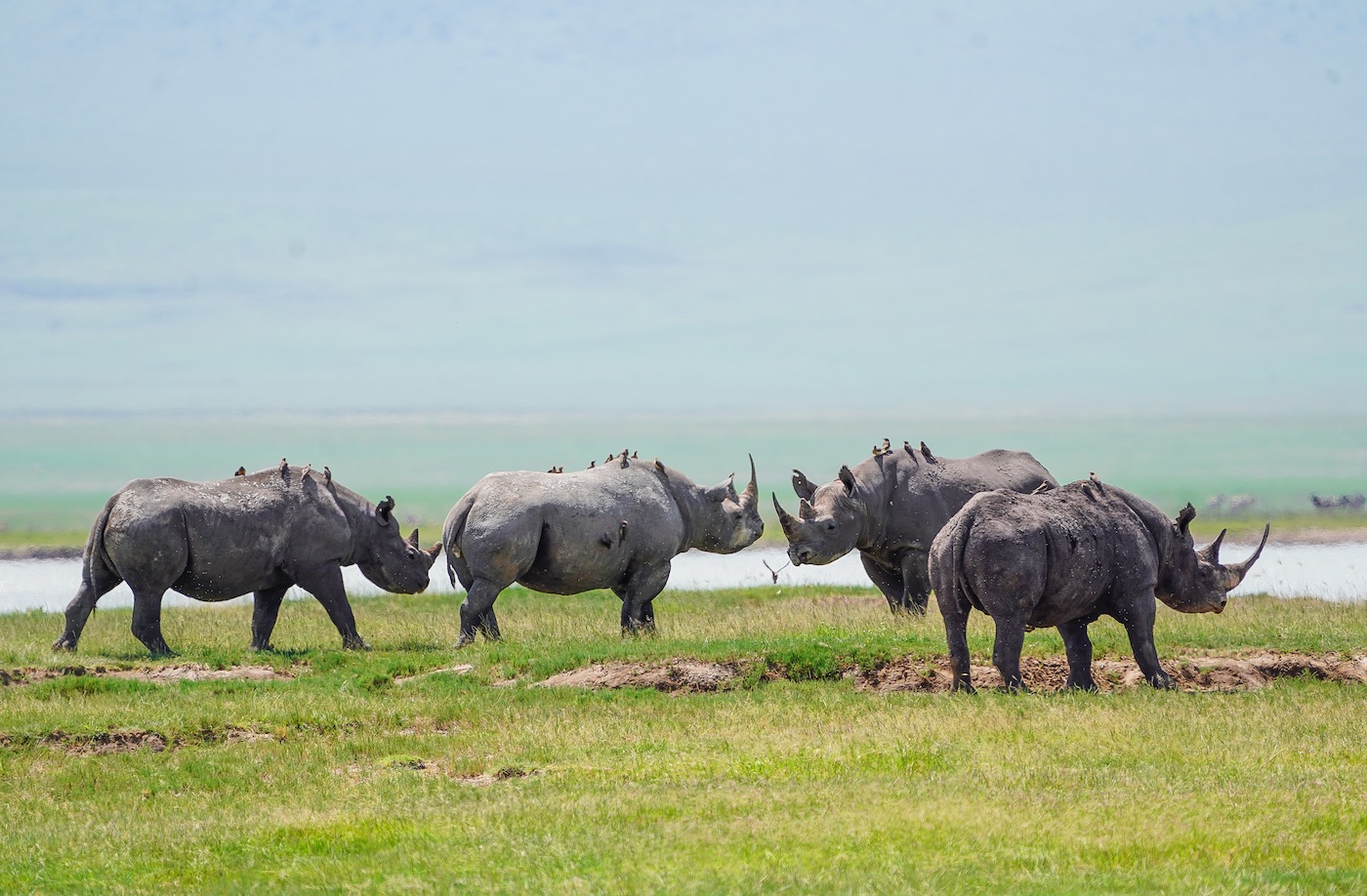
Dry Months: June – October
Ideal for Wildlife Spotting & Clear Photography
This is the peak safari season in Tanzania and the most popular time to visit Ngorongoro.
Highlights of this period:
Short grass makes animals easier to see.
Wildlife congregates around remaining water sources.
Roads stay firm and accessible for vehicles.
Bright skies provide excellent photo conditions.
Predators are active, especially lions and cheetahs hunting.
Perfect for travelers seeking the quintessential African safari, particularly those visiting from Europe or North America during their summer holidays. this show When to Explore Ngorongoro
Wet Months: November – May
Best for Scenery, Birdlife & Peaceful Safaris
This season transforms the crater into a lush paradise, attracting fewer tourists but offering spectacular landscapes.
Reasons to visit:
Verdant crater views create stunning backdrops.
Migratory birds arrive, enriching birdwatching.
Newborn animals appear, especially January–March.
Less crowded safaris mean more tranquil experiences.
Dramatic skies enhance photography.
January – March
Calving Season & Serengeti Connection
This is a remarkable time to combine Ngorongoro with the Serengeti.
Why it’s special:
Wildebeest and zebras give birth in the Ndutu area.
Predators thrive with abundant prey.
Warm, pleasant weather makes safaris enjoyable.
Intense wildlife action unfolds daily.
An unforgettable season for witnessing thousands of wildebeest calves born in unison.
April – May
Budget-Friendly Safari Season
Though these months bring heavy rains, Ngorongoro remains rewarding.
Advantages of visiting:
Lower safari costs make trips more affordable.
Minimal tourist traffic ensures privacy.
Emerald scenery is at its most beautiful.
Resident wildlife stays within the crater.
Best Overall Months
For a balance of wildlife, weather, and scenery, the standout months are February, March, July, August, and September. If you’re wondering When to Explore Ngorongoro, these months deliver the most rewarding experiences.
Expect during this period:
Superb animal encounters, including the Big Five.
Comfortable climate for safaris.
Picturesque landscapes at their finest.
Calving season in the early months.
River crossings at Grumeti and Mara for dramatic migration scenes.
Choosing these months ensures you’ll know exactly When to Explore Ngorongoro
Ngorongoro Crater is truly a year-round safari destination, offering something unique in every season. Whether you’re drawn to the dry months for unbeatable wildlife viewing, the green season for lush scenery and birdlife, or the calving period for dramatic predator-prey interactions, each time of year delivers unforgettable experiences. Budget-conscious travelers can also enjoy the crater during the rainy months, when prices drop but wildlife remains abundant.
For the best overall balance of animal encounters, comfortable weather, and breathtaking landscapes, February, March, July, August, and September stand out as the top choices. If you’re wondering When to Explore Ngorongoro, these months provide the perfect mix of wildlife action and scenic beauty. No matter When to Explore Ngorongoro, the crater promises a safari adventure filled with extraordinary sights, rich biodiversity, and memories to last a lifetime.