
Tanzania Weather & Climate
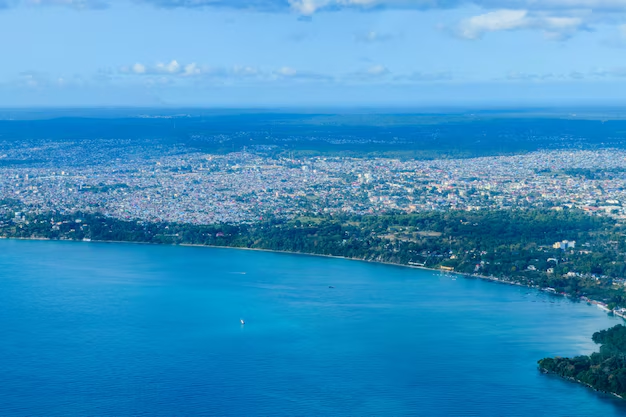
Understanding Tanzania Weather & Climate is essential when planning a safari, mountain trek, or beach holiday. Tanzania is a year-round destination, but its landscapes, wildlife, and travel conditions change with the seasons. From lush green plains during the rains to dry savannahs teeming with wildlife, each month offers a unique experience. The country has two rainy periods—the long rains (March to May) and the short rains (November to early December)—and a long dry season (June to October). Coastal areas are generally hot and humid, while the highlands are cooler.
This month-by-month guide to Tanzania Weather & Climate will help you choose the best time to visit, whether your focus is on safaris, climbing Kilimanjaro, or enjoying Zanzibar’s pristine beaches.
January
Weather: Hot and dry, with occasional showers.
Best For: The wildebeest calving season in the Serengeti; sunny Zanzibar beaches.
February
- Weather: Warm and relatively dry.
- Best For: Excellent safari conditions and Kilimanjaro trekking; peak calving season in southern Serengeti.
March
- Weather: Beginning of the long rains, especially mid to late March.
- Best For: Lush green scenery, fewer crowds, and birdwatching.
April
Weather: Peak of the long rains with heavy downpours.
Best For: Low-season travel deals; dramatic landscapes for photography.
May
Weather: Rain continues but eases toward the end.
Best For: Quieter safaris, lush greenery, and northward movement of the Great Migration.
June
- Weather: Start of the long dry season, cooler mornings and evenings.
- Best For: Classic safari conditions in Serengeti and Ngorongoro; great for Kilimanjaro climbs.
July
- Weather: Cool, dry, and sunny.
- Best For: The Great Migration river crossings; peak safari season.
August
Weather: Dry and warm with clear skies.
Best For: Excellent game viewing and beach escapes in Zanzibar.
September
Weather: Warm and dry.
Best For: Continued migration action, cultural tours, and trekking.
October
- Weather: End of the long dry season, temperatures rise.
- Best For: Reliable safari sightings and the start of bird migration.
November
- Weather: Start of the short rains, usually light afternoon showers.
- Best For: Green landscapes, fewer tourists, and birdwatching.
December
Weather: Short rains taper off; warm festive atmosphere.
Best For: Wildlife safaris in southern Serengeti and Zanzibar holidays.
Best Weather & Climate for Safaris in Tanzania
The dry season (June to October) is the most popular time for safaris. Wildlife gathers around rivers and waterholes, grass is shorter for better visibility, and roads are easier to navigate. The highlight is the Great Migration river crossings in northern Serengeti from July to September, making this one of the best periods to experience Tanzania Weather & Climate at its finest.
The green season (November to May) also has advantages. The scenery is lush, prices are lower, and parks are less crowded. Birdwatching is outstanding, and in January and February, the wildebeest calving season offers unforgettable predator-prey action. For travelers seeking a more peaceful and affordable adventure, the green season showcases another side of Tanzania Weather & Climate, where nature thrives in full color.