
Maasai Mara National Reserve
Witness the Great Migration, track the Big Five and meet the Maasai people in Africa's most celebrated wildlife reserve.
CONTACT USDiscover Maasai Mara National Reserve, Kenya
Maasai Mara National Reserve is a vast protected area of golden savannah in south-western Kenya, covering roughly 1,500 square kilometres in Narok County. It is the northern extension of Tanzania's Serengeti ecosystem, and animals move freely between the two. The reserve is named after the Maasai people who have lived here for generations and after the Mara River, whose winding course gives the landscape its spotted, "mara" look of scattered acacia and bush.
If you are planning a Kenya safari, Maasai Mara National Reserve is the destination most travellers put at the top of their list, and for good reason: wildlife density is exceptionally high, the plains are open, and sightings are possible almost every day of the year.

What Makes Maasai Mara National Reserve Unique?
Many reserves offer good game viewing, but Maasai Mara National Reserve combines several rare ingredients in one place.
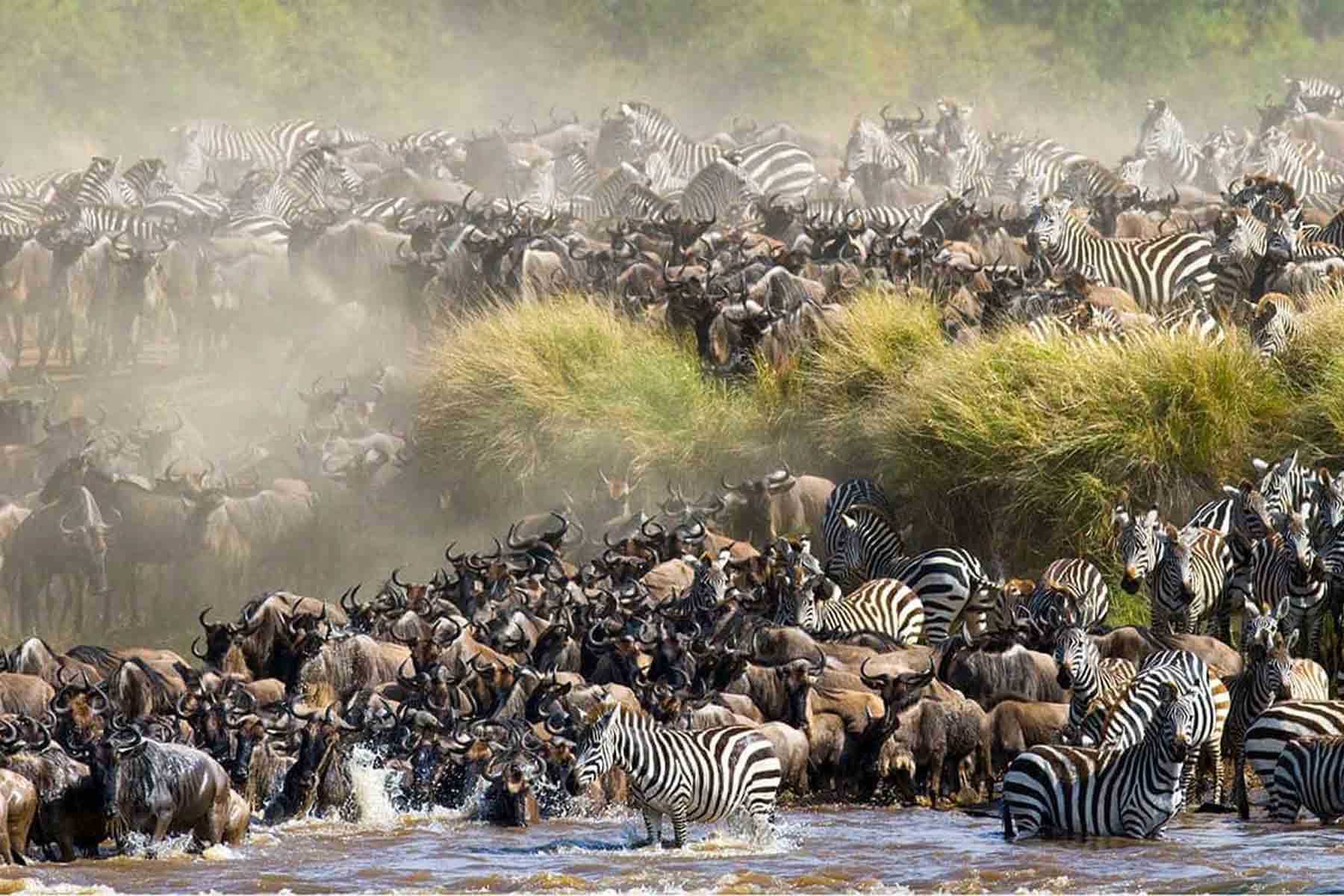
The Mara River Crossings
Between July and October, hundreds of thousands of wildebeest and zebra plunge into the crocodile-filled Mara River in one of nature's most dramatic spectacles.
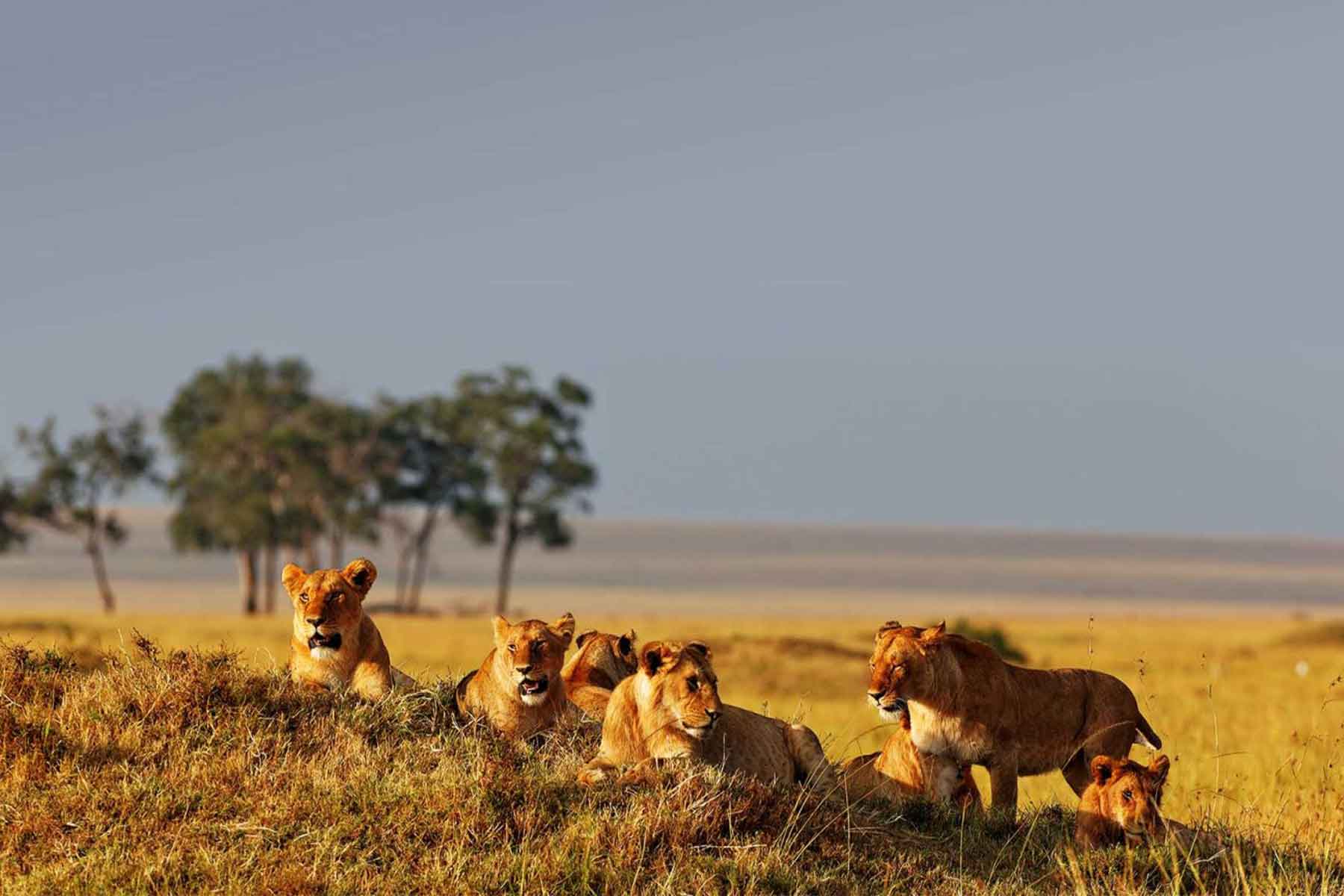
Big Five & Big Cats
Lion, leopard, elephant, buffalo and rhino all live here, and the Mara is famed for its resident lion prides and cheetahs hunting in open grassland.
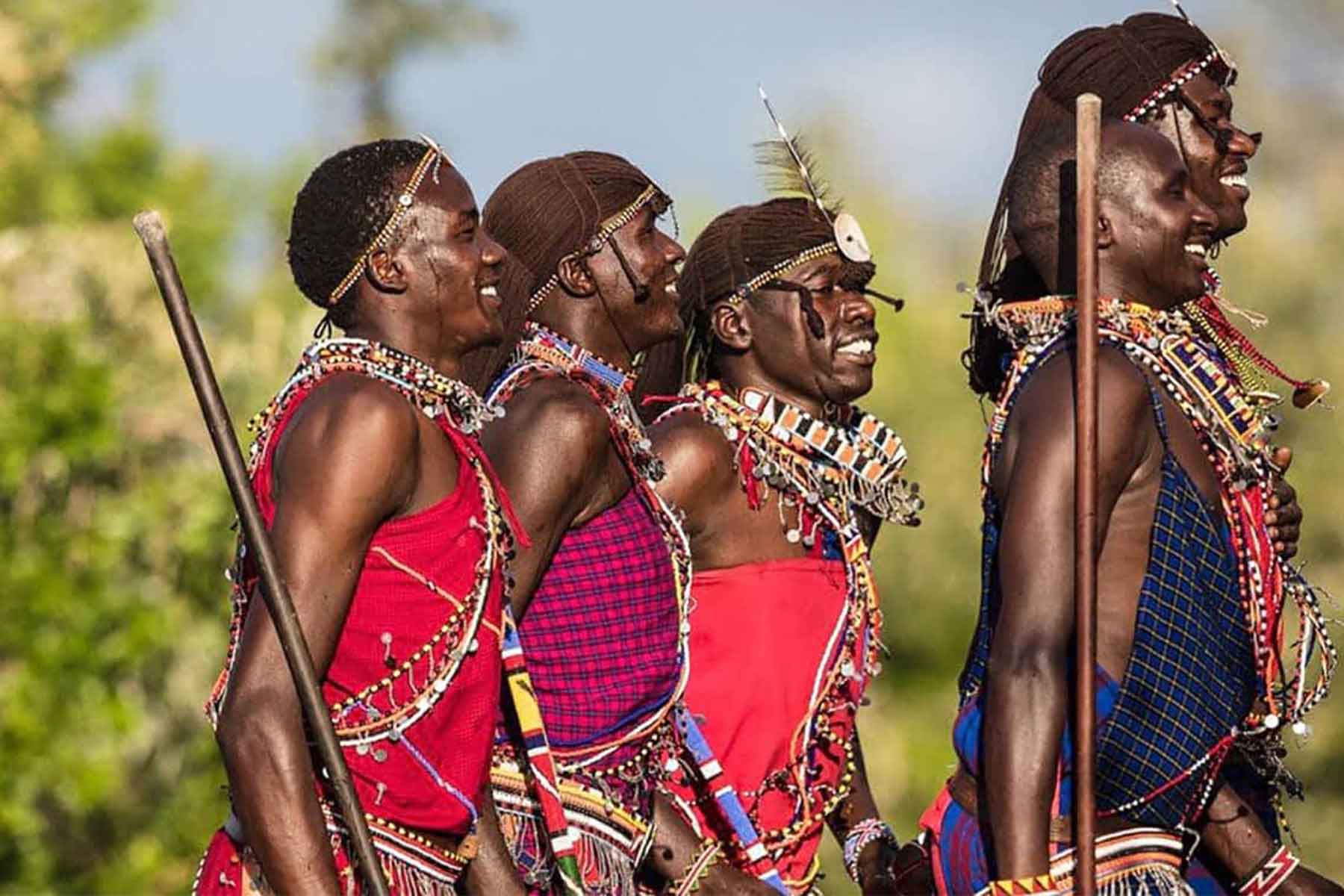
Living Maasai Culture
Neighbouring community conservancies let you visit a traditional Maasai village and learn how people and wildlife share this land.
Maasai Mara National Reserve vs Other Safari Destinations
How does Maasai Mara National Reserve compare with other leading East African parks? Here is a quick overview to help you choose.
| Feature | Maasai Mara | Serengeti | Amboseli | Tsavo |
|---|---|---|---|---|
| Country | Kenya | Tanzania | Kenya | Kenya |
| Main highlight | Mara River crossings, big cats | Year-round migration, vast plains | Elephants with Kilimanjaro views | Red elephants, rugged wilderness |
| Wildlife density | Very high | Very high | High (elephants) | Moderate |
| Access from capital | Short flight or road from Nairobi | Fly or drive from Arusha | Easy from Nairobi | Easy from Nairobi / Mombasa |
| Crowds | Busiest July–Sept | Spread over a huge area | Moderate | Low |
The two parks work beautifully together. Many guests combine Maasai Mara National Reserve with the Serengeti on a joined fly-in safari to follow the herds across both sides of the border. For a deeper look at seasons across both countries, see this guide on the best time to visit Kenya and Tanzania.

Why Visit Maasai Mara National Reserve?
There are many reasons Maasai Mara National Reserve earns a place on every safari bucket list.
- Reliable wildlife. Open plains make spotting predators easy, even for first-time visitors.
- Witness the Great Migration. The river crossings are among the planet's greatest wildlife shows. Read our guide to the best time to witness the Great Migration.
- Easy to reach. It sits only a short flight from Nairobi.
- Perfect for every traveller. It suits families, couples planning a honeymoon safari, and photographers hunting for dramatic light.
- Supports conservation. Your park and conservancy fees help protect wildlife and fund local Maasai communities.
Things to Do in Maasai Mara National Reserve
A stay in Maasai Mara National Reserve is about far more than ticking off animals. These are the most rewarding activities.
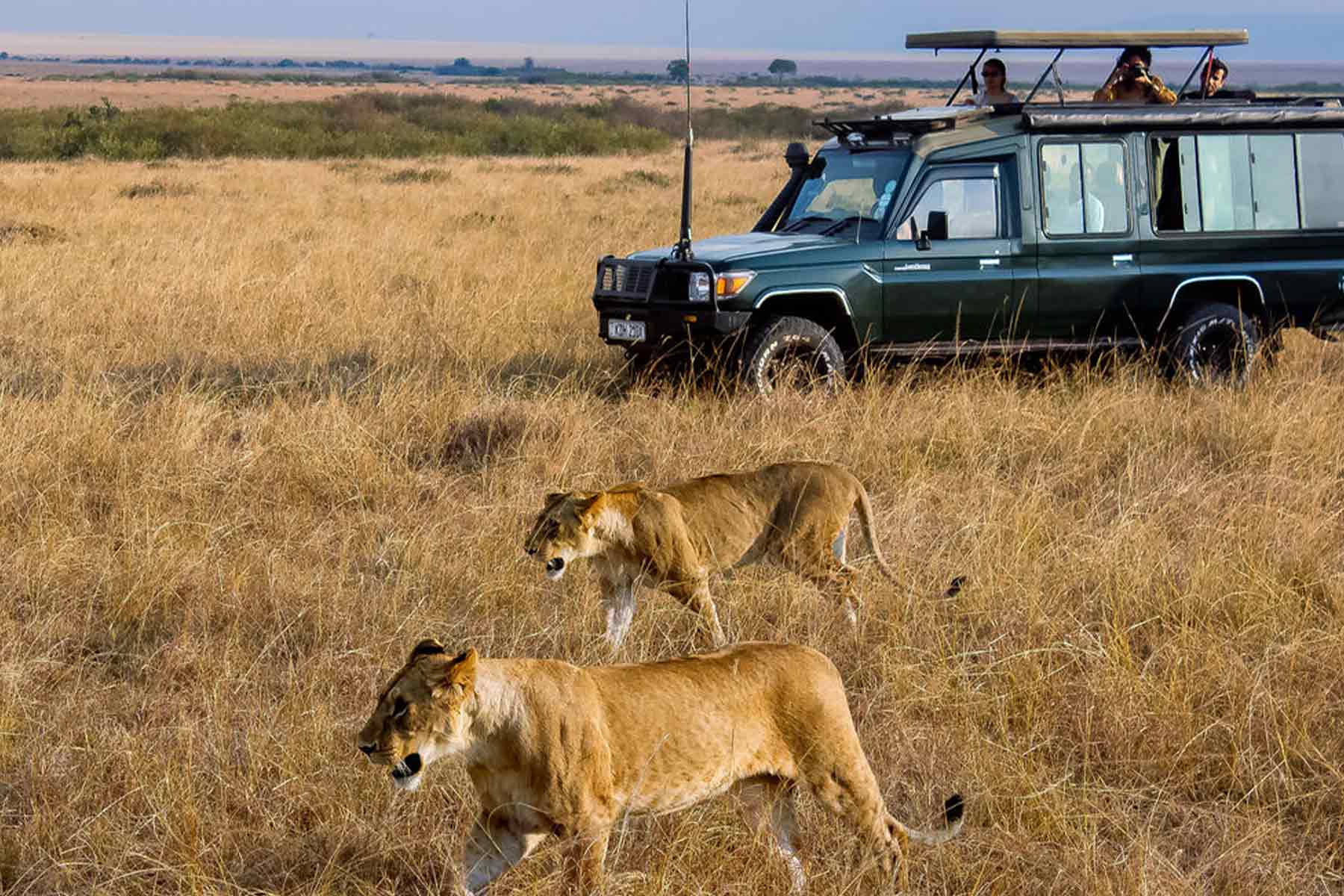
Game Drives
Morning and afternoon drives in a 4x4 safari vehicle are the heart of any trip. Explore our game drive packages.
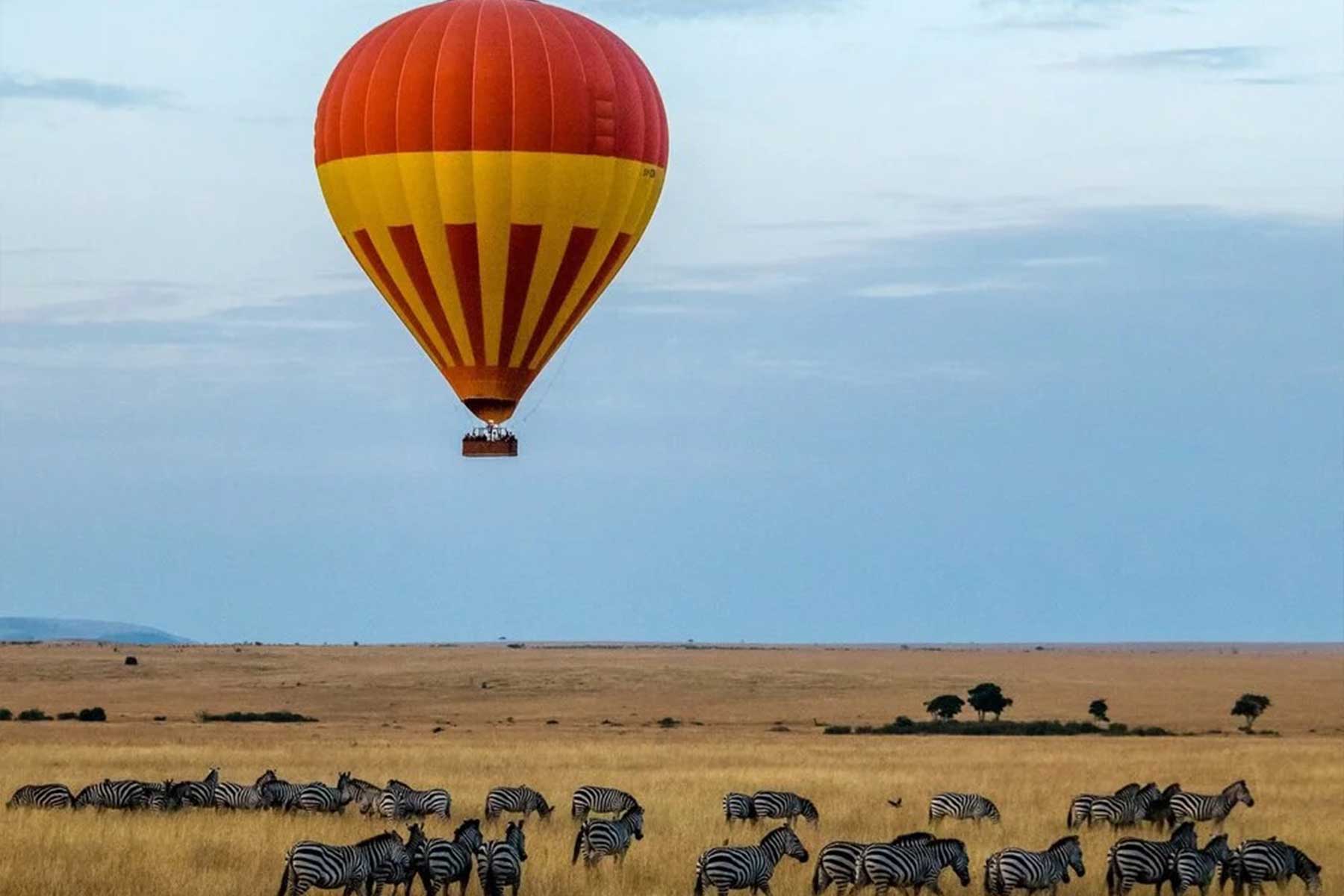
Hot Air Balloon Safari
Float over the plains at sunrise, then enjoy a champagne bush breakfast. See how a hot air balloon safari works.
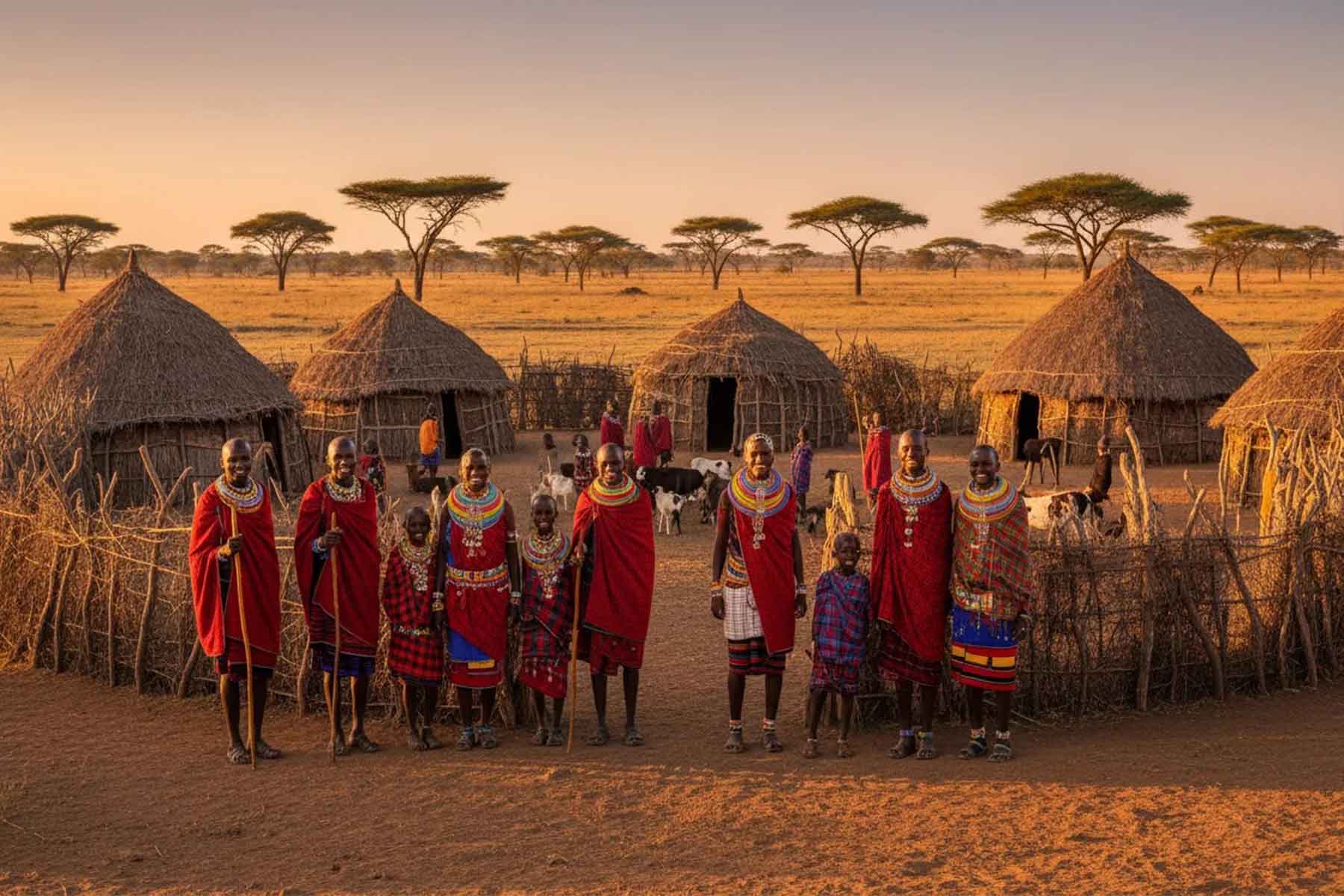
Maasai Village Visit
Meet the community, hear their stories and see traditional dancing. Pair it with our cultural and Big Five tours.
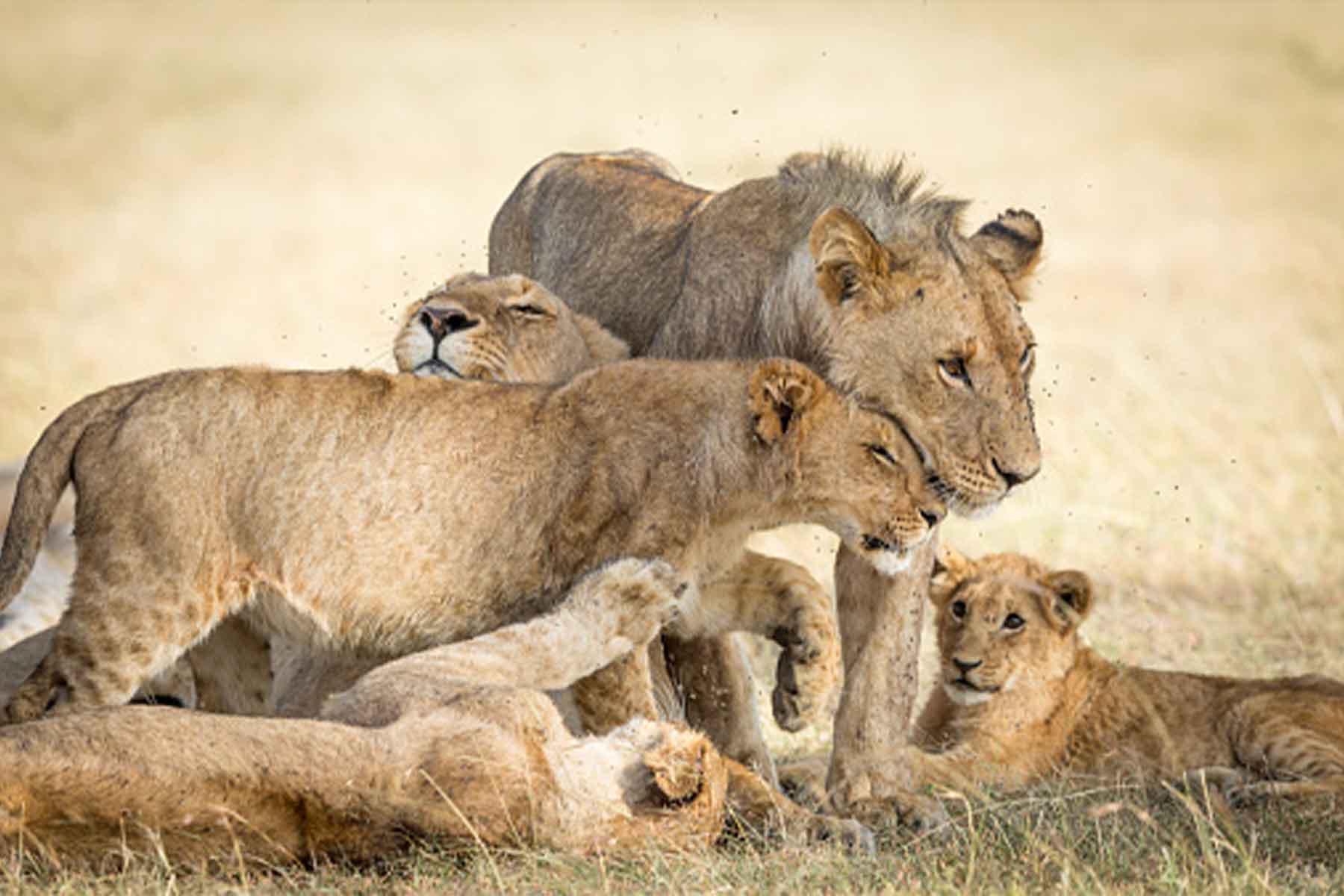
Photographic Safaris
Golden light and close sightings make this a dream African photo safari location.
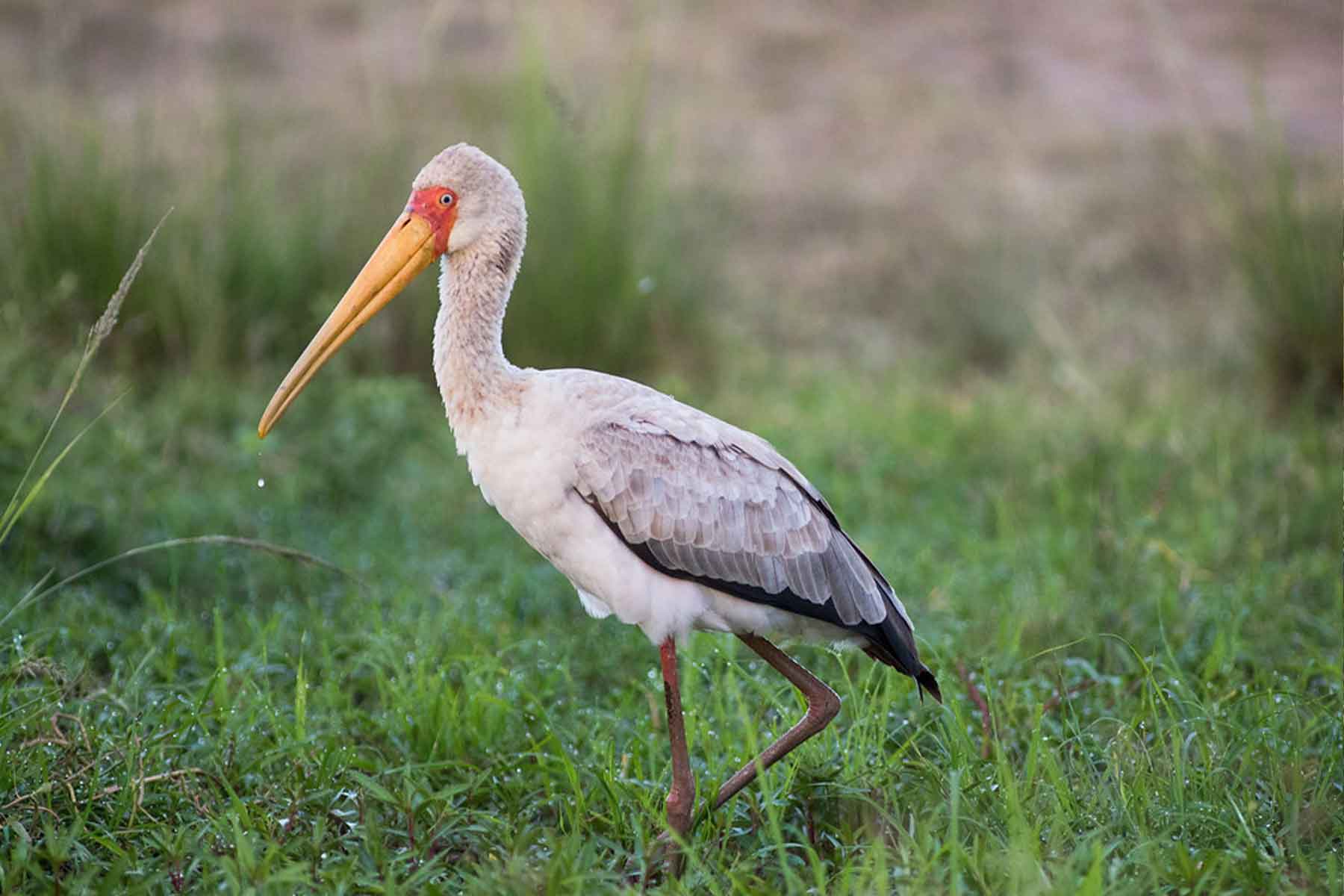
Bird Watching
Over 450 bird species include secretary birds, ostriches and lilac-breasted rollers. Browse our bird watching safaris.
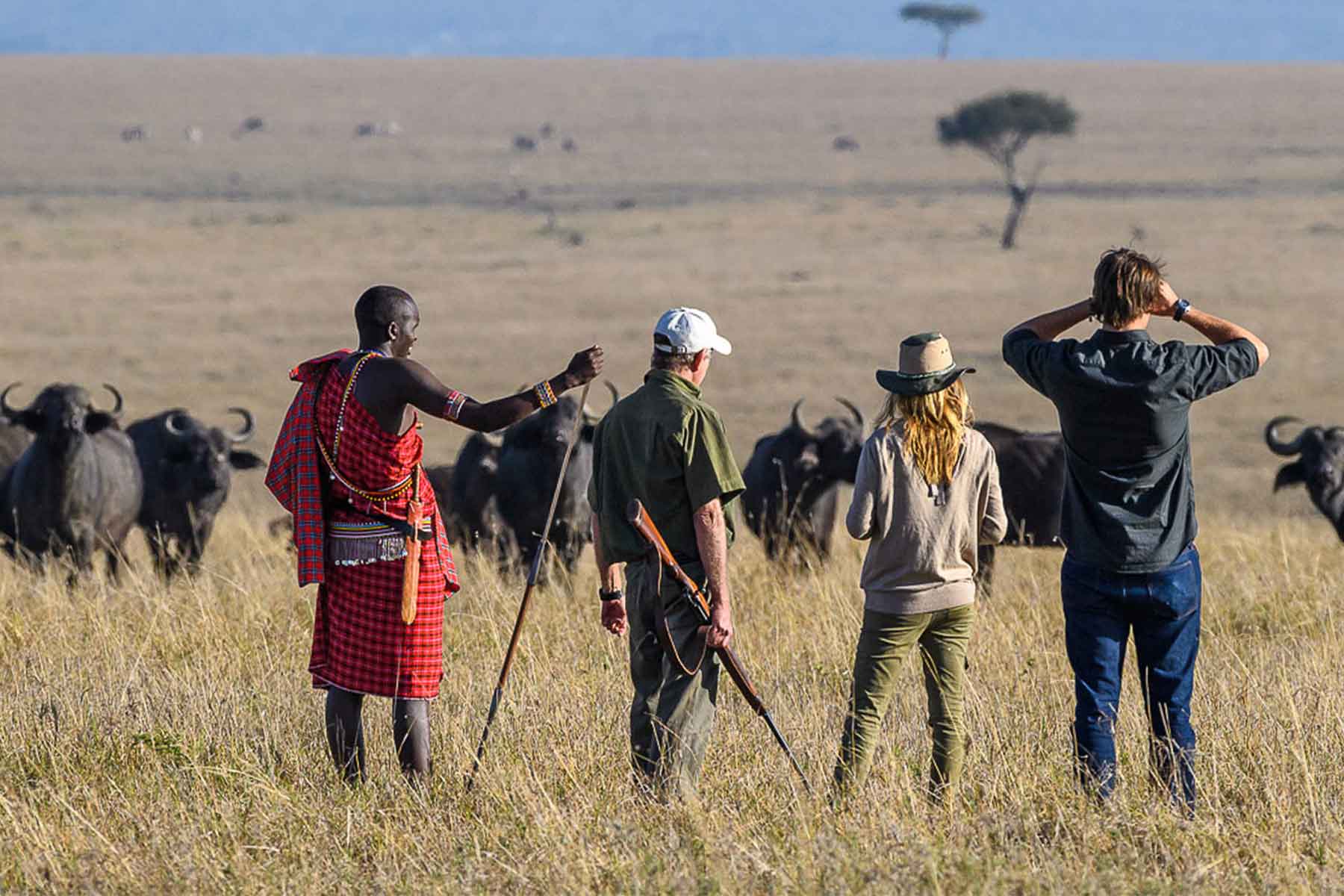
Conservancy Walks & Night Drives
Private conservancies bordering the reserve allow guided bush walks and night drives, which are not permitted inside the main reserve.
Best Time to Visit Maasai Mara National Reserve
The wildlife is excellent all year, but timing changes the experience. July to October is the prime window, when the migration reaches the Mara River and dry weather keeps animals easy to find. January to March is green and quieter with newborn animals and lower rates, while April to May is the long-rains season with the fewest visitors and the best value.
Where to Stay in Maasai Mara National Reserve
Accommodation in and around Maasai Mara National Reserve ranges from budget tents to ultra-luxury camps. Our team matches your style and budget, and you can browse similar options on our safari accommodations page.
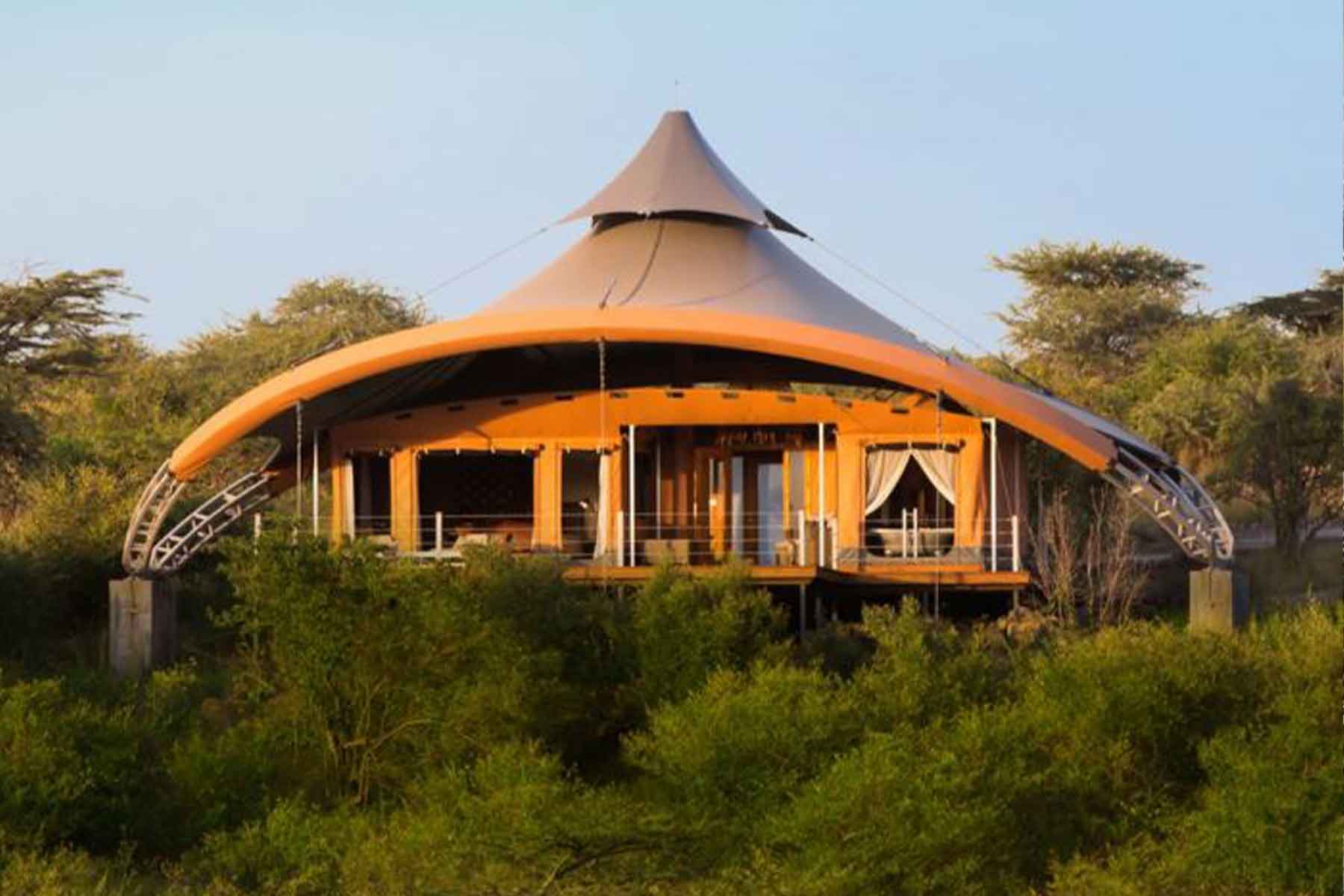
Luxury Tented Camps & Lodges
Spacious tents with private decks, fine dining and river views for guests seeking comfort. See our luxury safaris.
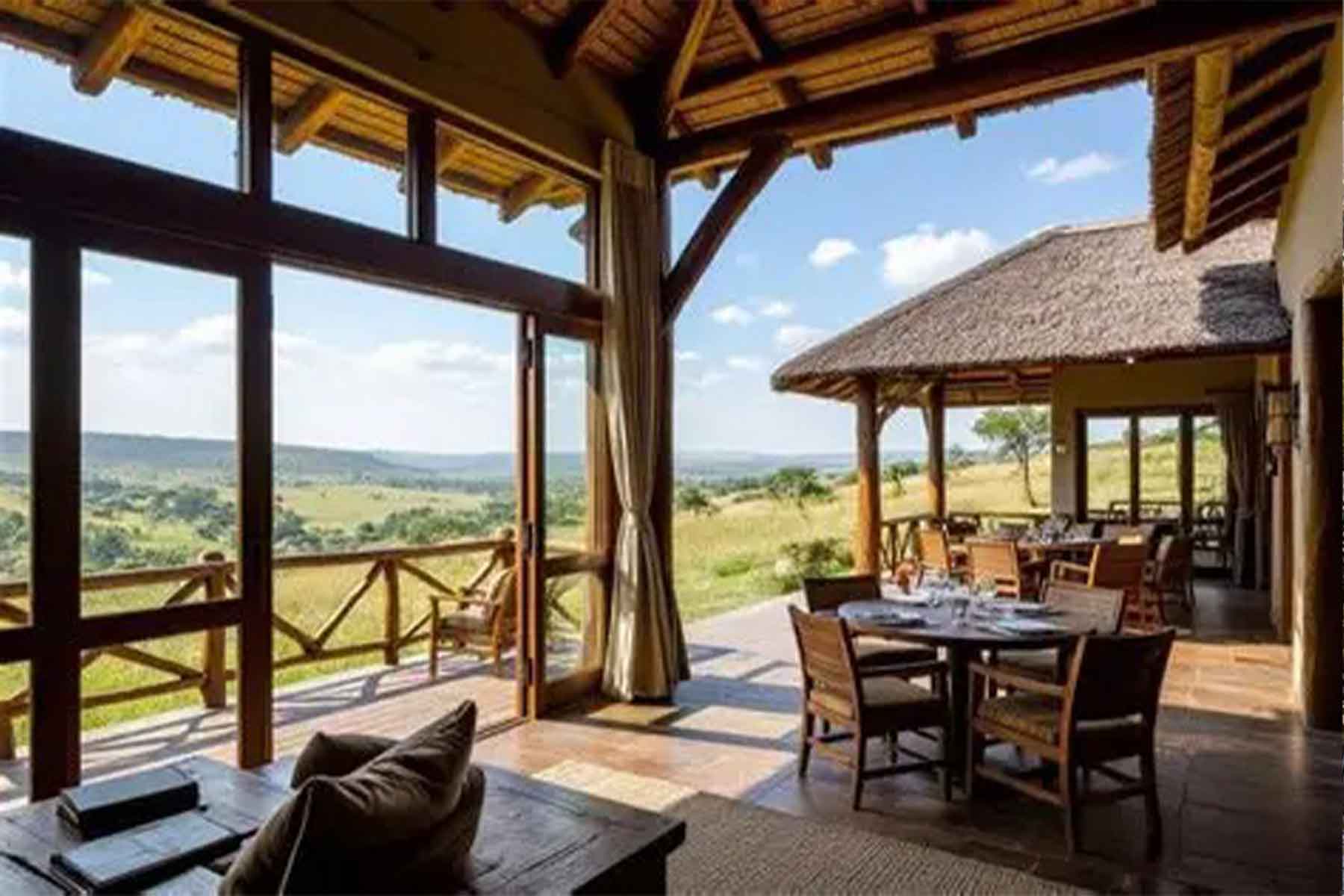
Mid-Range Lodges & Camps
Comfortable en-suite rooms and great guiding at fair prices. Explore our mid-range experience.
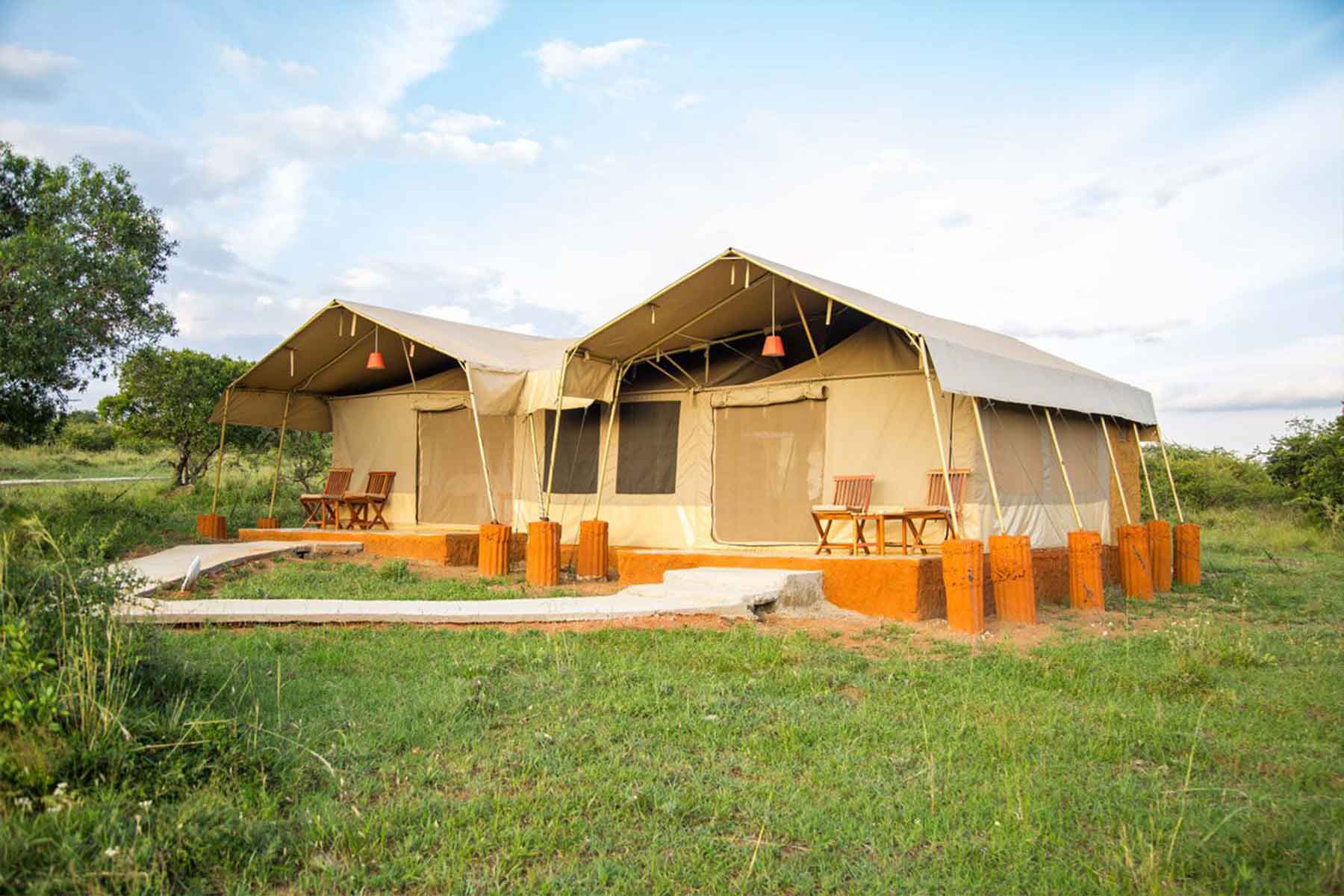
Budget & Camping Options
Simple, friendly camps for adventurers who want the Mara on a smaller budget. View our camping safaris.
Prefer a private reserve feel? Take inspiration from this private nature reserve experience, which shows how small, exclusive camps differ from larger lodges.
How to Get to Maasai Mara National Reserve
By Air from Nairobi
Scheduled flights leave Wilson Airport for airstrips inside Maasai Mara National Reserve in about 45 to 60 minutes. This is the fastest and most scenic option.
By Road from Nairobi
The drive is about 270 km via Narok and the Sekenani Gate and takes roughly 5 to 6 hours. The final stretch can be bumpy, so a 4x4 with an experienced guide is essential.
From Tanzania
Travellers starting in Arusha usually fly to Nairobi first. Combine it with our Tanzania safaris, or see this overview of Tanzania safari tours for ideas.
Maasai Mara National Reserve FAQs
Where is Maasai Mara National Reserve located?
It lies in Narok County in south-western Kenya, about 270 km from Nairobi, bordering Tanzania's Serengeti National Park.
When is the best time to visit Maasai Mara National Reserve?
July to October is best for the Great Migration and river crossings. January to March and April to May are quieter and cheaper, with lush scenery.
Can you see the Big Five in Maasai Mara National Reserve?
Yes. Lion, leopard, elephant and buffalo are seen regularly, and black rhino can be spotted with an expert guide. Learn more about Big Five safaris.
How many days do I need in Maasai Mara National Reserve?
We recommend at least 3 nights. Four to five nights give you the best chance of catching a river crossing and extra big cat action.
Is Maasai Mara National Reserve safe?
Yes, when you travel with licensed guides and follow park rules. Always stay inside the vehicle during game drives unless your guide says otherwise.
What should I pack?
Neutral clothing, a warm layer for early mornings, sun protection, binoculars and a good camera. See our safari packing guide and travel tips.
Can I combine Maasai Mara National Reserve with Tanzania?
Absolutely. Combine the Mara with the Serengeti, Ngorongoro and Zanzibar for a complete East Africa journey. More answers are on our FAQs page.
Ready to Explore Maasai Mara National Reserve?
Let our local experts design a private, tailor-made safari to Maasai Mara National Reserve around your dates, budget and dreams. Browse all our packages or speak to us today.
CONTACT US