
Katavi National Park
Katavi National Park is one of Tanzania’s most remote and least-visited national parks, offering an unfiltered and truly wild safari experience. Covering approximately 4,471 square kilometers, the park lies in western Tanzania and forms part of a vast, untouched ecosystem that remains largely unexplored by mass tourism.
What makes Katavi National Park unique is its raw, untamed character. With very few visitors at any given time, travelers can experience nature without crowds, often spending hours on a game drive without encountering another vehicle. This exclusivity makes every wildlife sighting feel personal and immersive. The park’s isolation has preserved its natural rhythms, allowing dramatic predator-prey interactions and large animal gatherings to occur naturally, making it one of Africa’s best-kept safari secrets.
Location and Accessibility
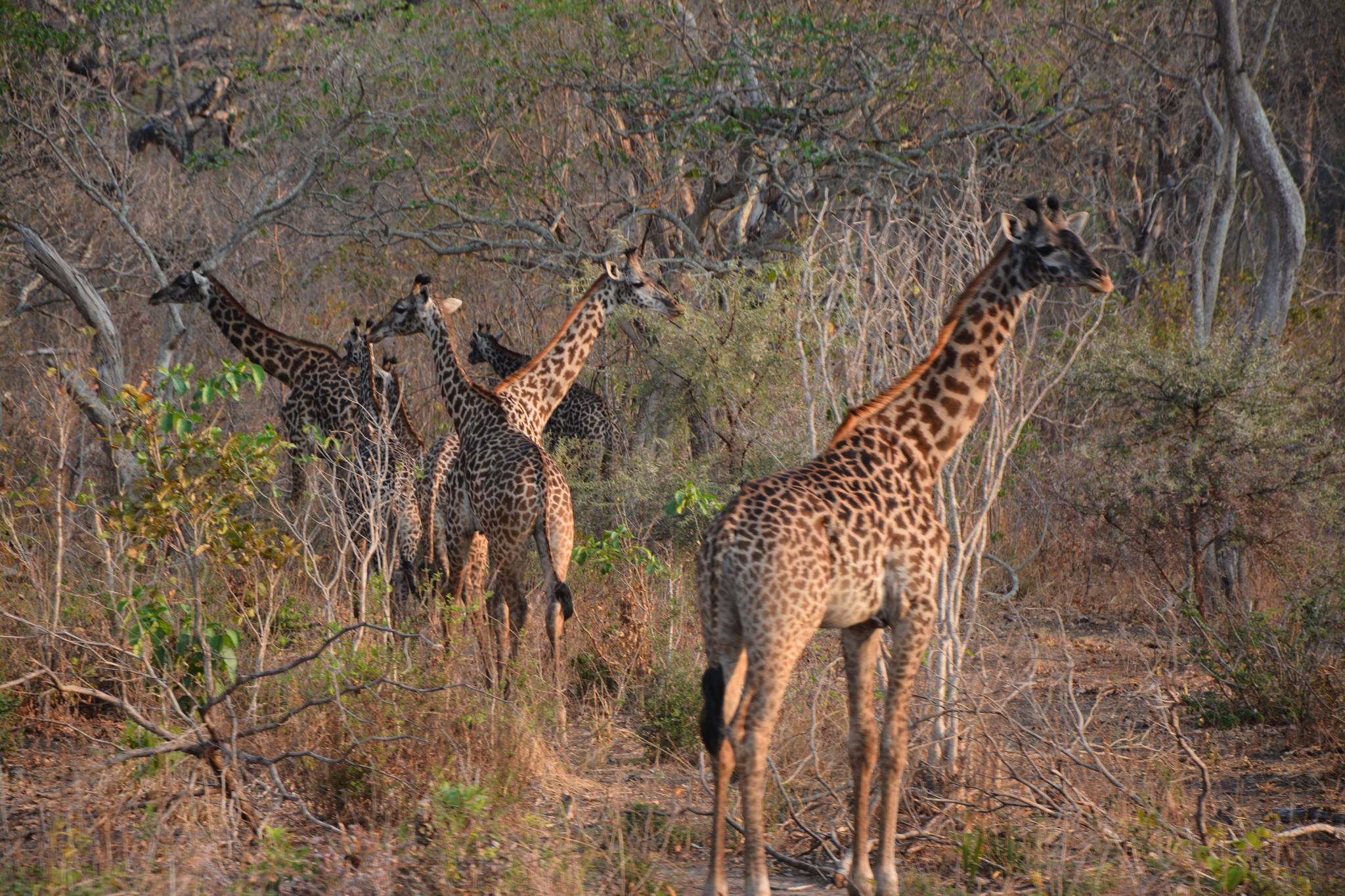
Katavi National Park is located in the remote Rukwa Region of western Tanzania, far from the popular northern safari circuit. It sits inland from Lake Tanganyika and is surrounded by vast wilderness areas, contributing to its reputation as a true off-grid safari destination.
How to Get There
- By Air: The most practical way to reach Katavi National Park is by light aircraft from Dar es Salaam, Arusha, or other major safari hubs. Flights land on small airstrips within or near the park, providing quick access to camps.
- By Road: Overland travel is possible but challenging, involving long journeys on rough roads. This option is typically used by experienced travelers or overland safari expeditions.
Despite the effort required to reach it, the journey to Katavi National Park is part of the adventure, rewarding visitors with unmatched solitude and wilderness.
Wildlife in Katavi National Park
Katavi National Park is renowned for its extraordinary wildlife density, especially during the dry season when animals congregate around shrinking water sources.
Key Wildlife Highlights
- Buffalo Herds: Katavi hosts some of the largest buffalo herds in Africa, often seen in groups of hundreds or even thousands.
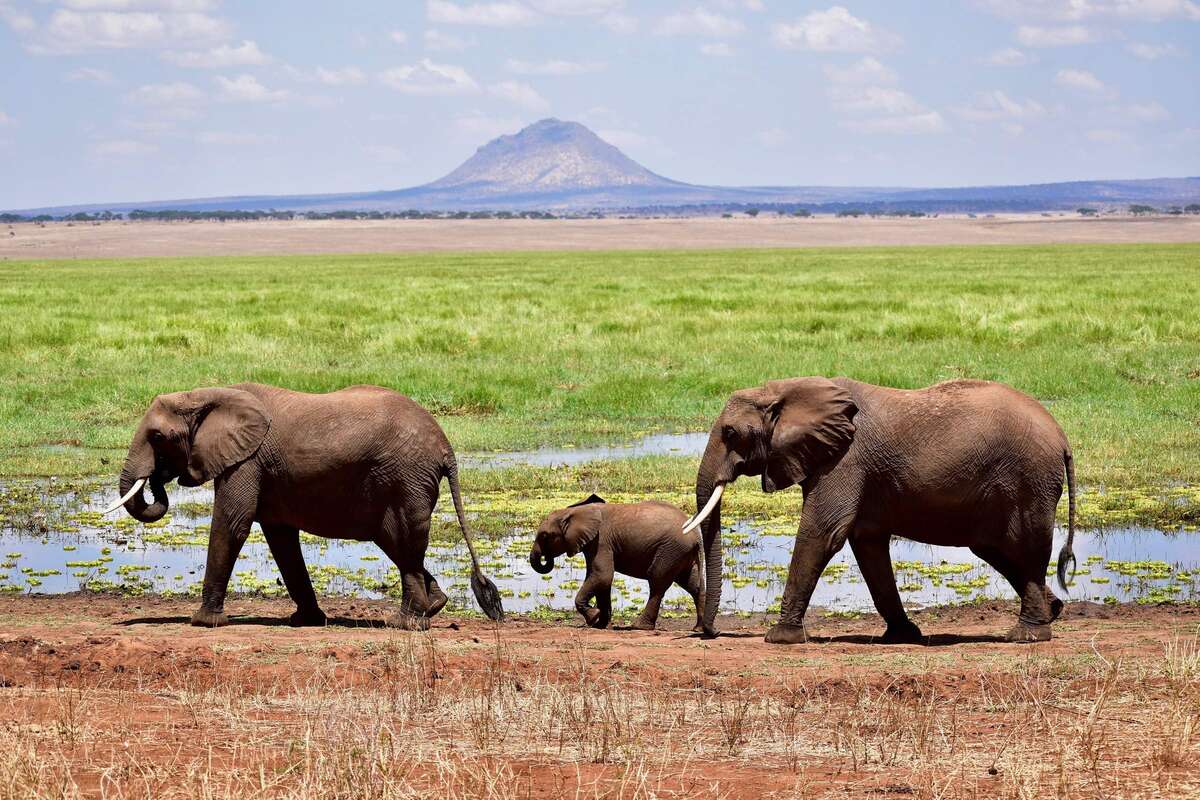
- Elephants: Large populations roam freely across the plains and woodlands.
- Predators: Lions are commonly seen and often engage in dramatic hunts, while leopards and hyenas also inhabit the park.
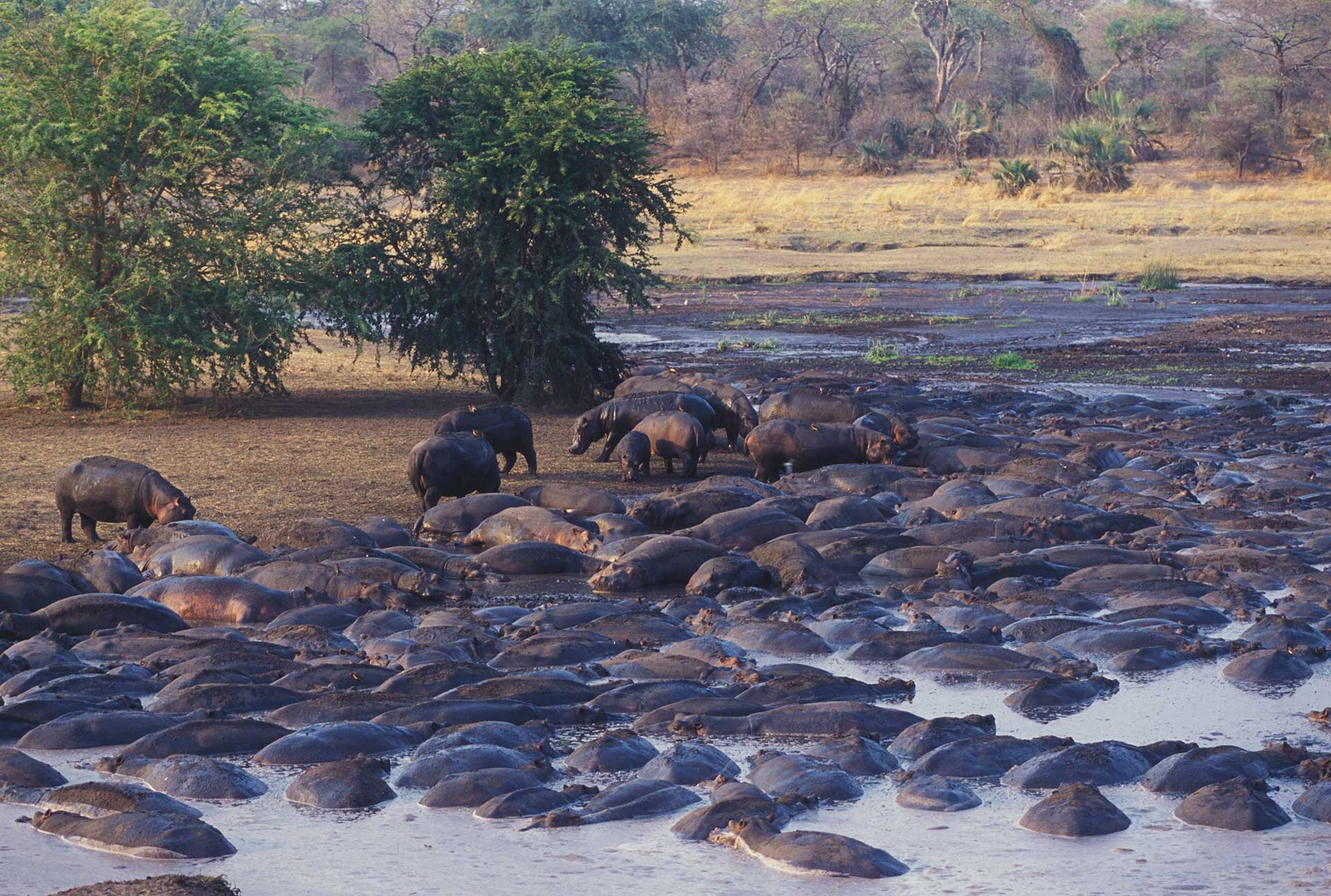
- Hippos and Crocodiles: The Katuma River becomes a focal point during the dry season, where hippos crowd into small pools, creating intense and noisy interactions.
- Antelope Species: Including impala, reedbuck, waterbuck, and topi.
The concentration of animals in limited water areas creates one of the most dramatic wildlife spectacles in Tanzania, making Katavi a dream for wildlife photographers and documentary enthusiasts.
Unique Safari Experiences
Katavi National Park focuses on classic, immersive safari experiences that bring visitors closer to nature.
Game Drives
Game drives in Katavi are exceptional due to the lack of crowds. Visitors can spend uninterrupted time observing wildlife behavior, often witnessing rare interactions such as predator hunts or territorial disputes.
Walking Safaris
Guided walking safaris allow guests to explore the bush on foot, learning about animal tracks, plants, and the smaller ecosystems that support the larger wildlife.
Fly Camping
Fly camping offers a unique opportunity to sleep under the stars in a temporary camp. This experience connects travelers deeply with the natural environment and is ideal for those seeking adventure.
Landscape and Scenery
The scenery of Katavi National Park is both dramatic and ever-changing. The park is dominated by wide floodplains, seasonal lakes such as Lake Katavi and Lake Chada, and the Katuma River, which serves as the main water source.
During the wet season, the landscape transforms into a lush green paradise filled with birdlife and grazing animals. In contrast, the dry season reveals dusty plains and shrinking water bodies, concentrating wildlife and creating intense survival conditions.
This seasonal variation adds depth to the safari experience, ensuring that each visit offers something unique.
Best Time to Visit Katavi National Park
Dry Season (June to October)
The dry season is the best time for wildlife viewing in Katavi National Park. During this period:
- Animals gather around the Katuma River
- Wildlife is easier to spot due to sparse vegetation
- Predator activity increases
Wet Season (November to May)
The wet season offers a quieter and more scenic experience:
- The park becomes lush and green
- Birdwatching is excellent with migratory species
- Visitor numbers are extremely low
However, access may be limited, and some camps close due to heavy rains.
Accommodation in Katavi National Park
Accommodation in Katavi National Park is limited but carefully designed to maintain the park’s exclusivity and wilderness appeal.
1. Luxury Camps
2. Budget Options
Why Visit Katavi National Park?
Katavi National Park is ideal for travelers who want more than a typical safari—it offers a deep, raw connection with nature that is increasingly rare in Africa.
Remote and Exclusive Safari Experience
Katavi’s isolation means very few visitors make it here, giving you a true sense of privacy and exclusivity. Unlike busy parks, you won’t find long lines of safari vehicles at sightings. Instead, you can spend uninterrupted time observing wildlife, enjoying quiet landscapes, and feeling fully immersed in the wilderness. This makes it especially attractive for photographers, honeymooners, and experienced safari travelers seeking something unique.
High Wildlife Density Without Crowds
Despite its remoteness, Katavi National Park hosts incredibly high concentrations of wildlife, particularly during the dry season. Large herds of buffalo, elephants, and antelope gather around limited water sources, creating dramatic and action-packed viewing opportunities. The difference here is that you experience all this without competing crowds, making each sighting more personal and rewarding.
Authentic, Untouched Wilderness
Katavi remains largely undeveloped, preserving its natural ecosystems and authentic safari atmosphere. There are fewer roads, fewer lodges, and minimal human interference. This allows visitors to experience Africa much as it has been for centuries—wild, unpredictable, and beautifully untouched. It’s the perfect destination for travelers who value conservation and sustainable tourism.
Unique and Dramatic Animal Behavior
One of Katavi’s biggest highlights is the intensity of wildlife interactions, especially in the dry season. As water sources shrink, animals are forced into close proximity, leading to dramatic scenes such as:
- Hippos competing for space in shrinking pools
- Crocodiles waiting patiently along riverbanks
- Lions hunting large herds of buffalo
These natural events provide a rare glimpse into the survival dynamics of the African wilderness.
A True Escape from the Modern World
Katavi National Park offers a rare opportunity to disconnect from busy city life. With limited connectivity and minimal infrastructure, visitors can fully immerse themselves in nature—enjoying the sounds of wildlife, open skies, and uninterrupted landscapes. It’s an experience that allows you to reset, reflect, and reconnect with the natural world.
Travel Tips for Katavi National Park
Planning a trip to Katavi National Park requires a bit more preparation than visiting more accessible parks, but the reward is a truly unforgettable experience.
Plan and Book in Advance
Due to limited accommodation and flights, it’s essential to plan your safari well ahead of time—especially during the peak dry season (June to October). Early booking ensures you secure the best camps and flight connections, as availability is often limited.
Pack Neutral-Colored Clothing
Wear lightweight, breathable clothing in neutral colors such as khaki, beige, and olive. These colors help you blend into the environment and avoid attracting insects. Long sleeves and trousers are recommended for protection against sun exposure and mosquito bites, especially during early morning and evening activities.
Carry Insect Repellent and Sun Protection
Katavi’s remote and natural environment means insects are part of the experience. Bring a strong insect repellent, sunscreen, sunglasses, and a wide-brim hat to stay comfortable during your safari.
Bring Binoculars and a Quality Camera
Wildlife sightings in Katavi can be spectacular, but sometimes animals may be at a distance. A good pair of binoculars enhances your viewing experience, while a quality camera helps you capture unforgettable moments—from massive buffalo herds to dramatic predator action.
Be Prepared for Remote Conditions
Katavi is a true wilderness destination, meaning:
- Limited or no mobile network in many areas
- Basic but comfortable camp facilities
- Long travel times to reach the park
This remoteness is part of its charm, but it’s important to come prepared with essentials and an open mindset for adventure.