7 Days Umbwe Route Kilimanjaro Trekking
From
Duration
Overview: Umbwe Route Kilimanjaro Trekking – A Thrilling 7‑Day Adventure
The Umbwe Route Kilimanjaro Trekking is one of the most challenging yet rewarding ways to conquer Africa’s highest peak. This 7‑day adventure is designed for experienced climbers who crave a direct, steep, and less‑traveled path to the summit. Starting deep in lush rainforest, the trail ascends sharply through towering trees and rugged ridgelines before opening up to moorland and alpine desert landscapes.
Unlike the more popular routes, Umbwe offers solitude and a sense of true wilderness. Trekkers can choose to tackle the technical Western Breach for a mountaineering challenge or connect to the Southern Circuit for a slightly less demanding route—both options deliver breathtaking scenery and unforgettable moments.
Because of its rapid altitude gain, Umbwe Route Kilimanjaro Trekking is best suited for climbers with prior high‑altitude experience and strong physical fitness. The effort is well worth it, as each day reveals dramatic views, unique ecosystems, and a deeper connection to the mountain.
For those seeking a serious adventure, the 7 Days Umbwe Route Kilimanjaro Trekking promises not only a summit success but also an inspiring, life‑changing journey to the Roof of Africa.
Tour Features – Umbwe Route Kilimanjaro Trekking
-
Challenging: Steep, technical route for experienced climbers.
-
Private: Fully tailored with dedicated guides.
-
Flexible: Start any day to suit your plans.
-
Customizable: Western Breach or Southern Circuit options.
-
Age Limit: For fit, older climbers only.
Price: $2200 P/Person
Tour Plan
Your day starts early with a briefing, followed by breakfast and an hour drive from Moshi to Umbwe Village (1,490 m/4,890 ft) where your guides and porters pack your equipment and supplies and give you a lunch pack. You start your ascent at the small Umbwe Gate just above the village and follow a gentle winding vehicle track for an hour to a signboard that announces the small steep Umbwe trail. The introduction is over, and you now climb up for several hours through a dense forest of rubber trees and giant fig trees. In places, you must scamper up steep sections of roots and rock. The Umbwe Camp is in the forest, and there are some caves nearby. You will be greeted here with a graciously served hot meal.
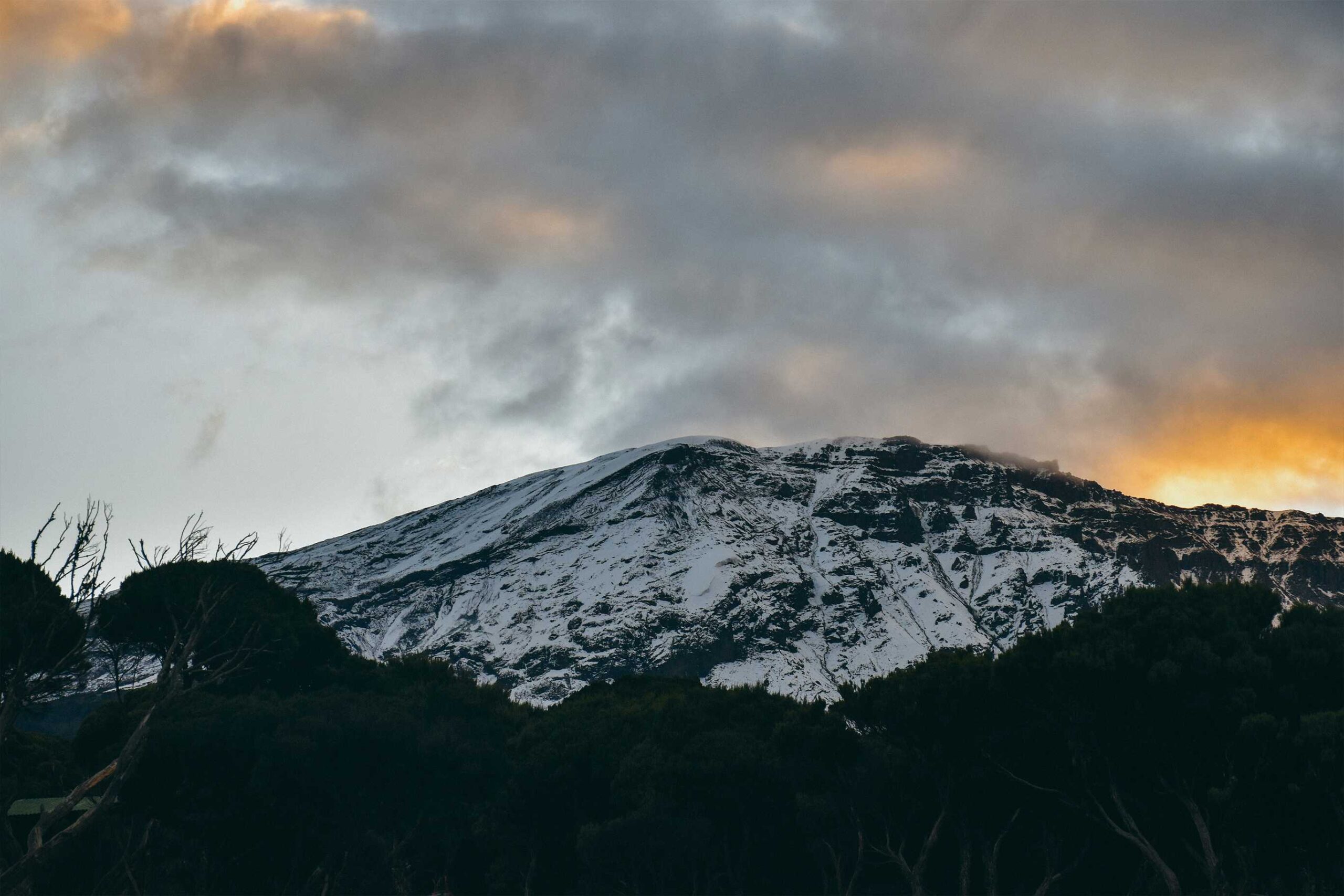
Your day starts early Kilimanjaro trekking with a steaming cup of tea or coffee. After breakfast, you will climb steeply through thinning forest glades to Giant Erica, Heather, and drier air. You continue up a ridge that drops steeply on both sides, and hopefully, the clouds will part to reward you with a view of Uhuru Peak looming overhead. After lunch, you enter a zone of giant groundsels (Scenario Kilimanjaro) that seem to guard the heights, and this garden is one of Kilimanjaro’s special treasures.
Extra Day for Acclimatization. Adding this day will ease your effort, and amplify your acclimatization.
After breakfast, we continue up a steep ridge to the great Barranco Wall, and then you climb this imposing obstacle, which turns out to be easier than it looks. Topping out just below the Heim Glacier, you can now appreciate just how beautiful Kilimanjaro really is. With Kibo’s glaciers soaring overhead, you descend into the lush Karanga Valley to the Karanga Valley campsite. From the camp, you can look east and see the jagged peaks of Mawenzi jutting into the African sky. After a hot lunch in camp, your afternoon is at leisure for resting or exploring. This short day is very important for your acclimatization since your summit push is about to start. Scramble easily to the top of the Great Barranco and then a traverse over screes and ridges to the Karanga Valley campsite (3h, 4000m.), beneath the icefalls of the Southern Glaciers.
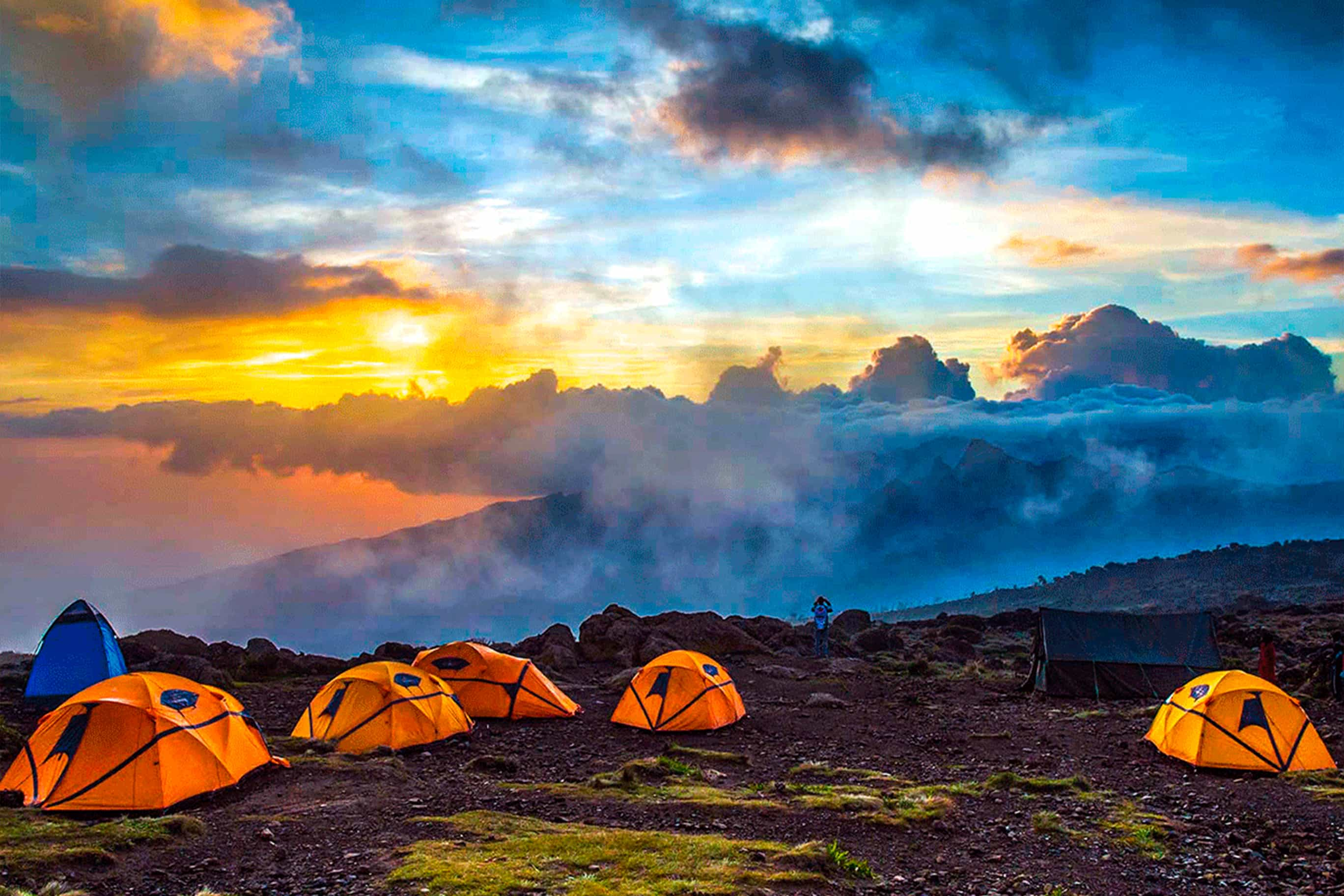
In the morning, you hike east over intervening ridges and valleys to join the Mweka Route, which will be your descent route. Turn left toward the mountain and hike up the ridge through a sparse landscape for another hour to the Barafu Hut where you will receive a hot lunch. The last water on the route is in the Karanga Valley; there is no water at Barafu Camp, even though Barafu is the Swahili word for ice. The famous snows of Kilimanjaro are far above Barafu Camp near the summit of the mountain. Your tent will be pitched on a narrow, stony, wind-swept ridge, so make sure that you familiarize yourself with the terrain before dark to avoid any accidents. Prepare your equipment and warm clothing for your summit climb, and drink a lot of fluids. After an early dinner, go to bed for a few hours of precious sleep
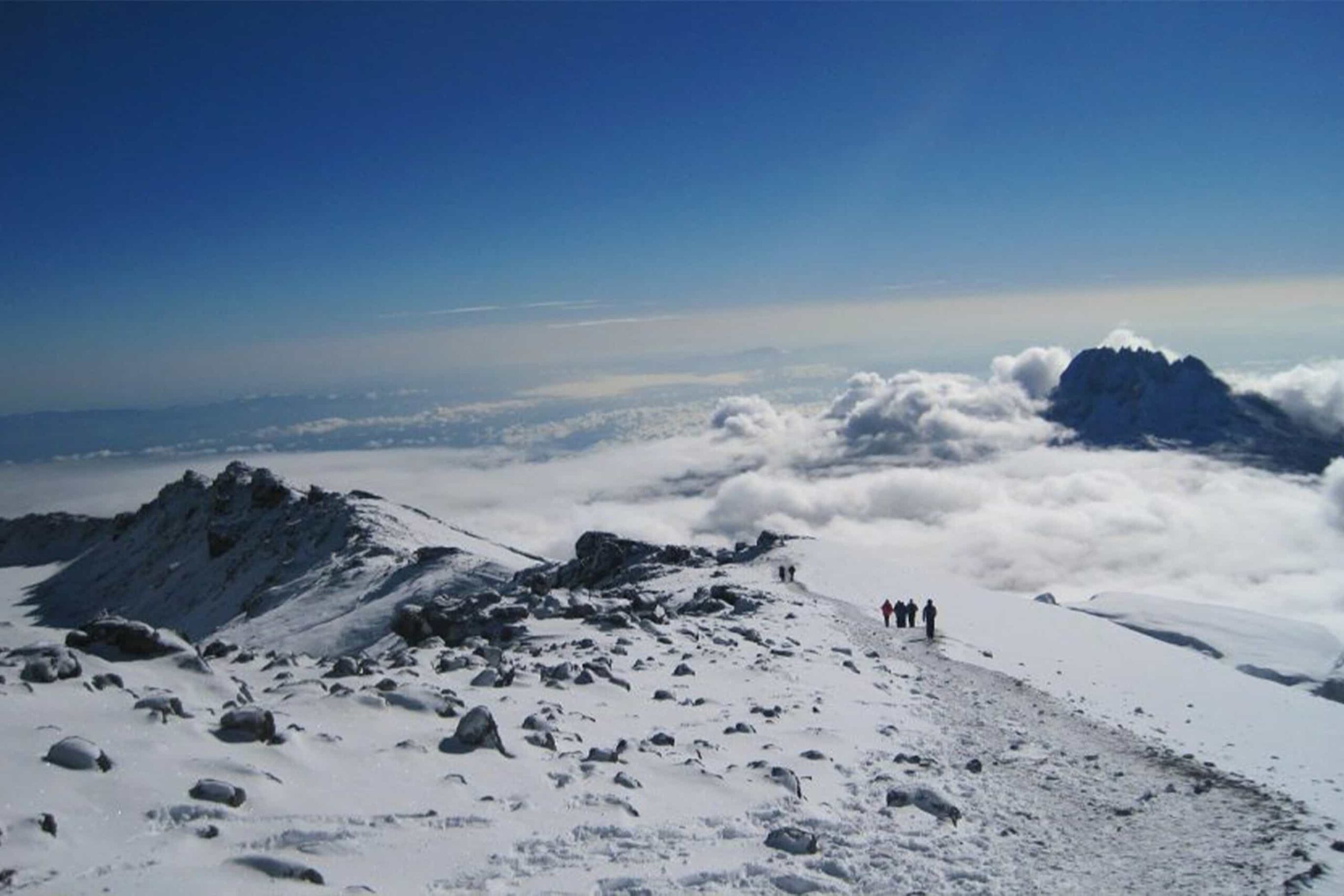
You will rise around 11:30 PM, and after some steaming tea and biscuits, you shuffle off into the night. Your 6-hour climb northwest up through heavy scree between the Rebmann and Ratzel glaciers to Stella Point on the crater rim is the most challenging part of the route for most climbers. After your 3-hour descent from the summit back to Barafu Camp, you will have a well-earned but short rest, collect your gear, and hike down a rock and scree path into the moorland and eventually into the forest to Mweka Camp (3,100 m/10,170 ft). This camp is in the upper forest, so you can expect mist or rain in the late afternoon. Dinner and washing water will be prepared, and the camp office sells drinking water, soft drinks, chocolates, and beer!
After a well-deserved breakfast, it is a short, scenic, 3-hour Kilimanjaro Trekking back to the park gate. Don’t give your porters any tips until you and all your gear have reached the gate safely, but do remember to tip your staff at the gate. At Mweka Gate, you can sign your name and add details in a register. This is also where successful climbers receive their summit certificates. Climbers who reached Stella Point are issued green certificates and those who reached Uhuru Peak receive gold certificates. From the Mweka Gate, you will continue down to the Mweka Village, possibly a muddy, 3 km, 1-hour hike if the road is too muddy for vehicles. In the Mweka Village, you will be served a delicious hot lunch after which you are driven back to Moshi for an overdue hot shower and comfortable night at your hotel in Arusha.
Included/Exclude
- Quality, waterproof, four-season private mountain sleeping tents
- 1 Night accommodation before climbing
- Professional, experienced, mountain guides
- All Park fees & Rescue fees
- All meals while on the Mountain
- Arrival and Departure transfers
- Guides', Porters', cook's salaries and park fees
- Quality Mess tents with table and chairs
- Large portions of fresh, healthy, nutritious food
- Clean, purified drinking water
- Crisis management and safety procedures
- Fair and ethical treatment of porters
- Sleeping Mattress
- Emergency Evacuation by Flying Doctor Society of Africa
- Tanzania Visa: $50 per person on arrival
- Personal Expenses (e.g. laundry, telephone, beverages, etc.)
- Meals not listed above.
- Tips and any items of personal nature.
- Optional Tours (short safari after your climb etc)
Inquiry Form
FAQ's
The best time to visit Tanzania is during the dry season from June to October, which offers excellent wildlife viewing opportunities, including the Great Migration in Serengeti. its a most FAQ’s
Yes, Zanzibar is renowned for its pristine beaches, crystal-clear waters, and rich cultural history, making it an ideal destination for relaxation and adventure.
Most travelers need a visa to enter Tanzania. You can obtain one on arrival or apply online through the Tanzania e-Visa system. it’s a most FAQ’s
Essentials include lightweight clothing, sturdy walking shoes, sunscreen, insect repellent, a hat, binoculars, and a camera. Neutral-colored clothing is recommended for game drives. its a most FAQ’s and Read More About Packing list Here
Tanzania is generally safe for tourists. However, it’s essential to follow travel advisories, avoid isolated areas at night, and secure valuables.
Yes, the Great Migration occurs in Serengeti National Park, with peak viewing opportunities from June to October.
You can see the Big Five (lion, elephant, leopard, buffalo, and rhino) along with giraffes, zebras, wildebeest, cheetahs, and various bird species.
Yes, many lodges and camps cater to families, offering kid-friendly activities, accommodations, and shorter game drives for young travelers.
A safari typically lasts between 5-10 days, depending on the parks you want to visit and the experiences you desire. its a most FAQ’s , contact us for more Information Click Here
Absolutely! Many travelers combine a safari on the mainland with a relaxing beach holiday in Zanzibar, as the two destinations complement each other perfectly.most of FAQ’s , Check with our team for more Information Click Here
Serengeti National Park, Ngorongoro Conservation Area, Tarangire National Park, Lake Manyara National Park, and Selous Game Reserve are popular choices.
Yes, safaris are usually guided by professional tour guides who are knowledgeable about wildlife, park regulations, and local culture.
The Tanzanian Shilling (TZS) is the local currency, but US Dollars are widely accepted in tourist areas. Bring smaller denominations for tips and local purchases.
Swahili and English are the official languages. English is widely spoken in tourist areas.
Yes, most lodges and camps accommodate dietary restrictions, including vegetarian, vegan, and gluten-free options. It’s best to inform them in advance. its a most FAQ’s , contact us for more Information Click Here
Yes, Zanzibar offers excellent snorkeling and diving opportunities, especially around Mnemba Atoll and Kendwa Beach, with vibrant coral reefs and marine life.
Yes, Tanzania is home to Mount Kilimanjaro, Africa’s highest peak, and climbing it is a popular activity. The trek typically takes 5-9 days, depending on the route.
Options range from budget camping to mid-range lodges and luxury tented camps. Many accommodations are located inside or near national parks.
Safaris can be booked through reputable tour operators like Meru Slopes Tours & Safaris. You can customize your itinerary based on your interests and budget.
You need a valid passport (with at least six months of validity), a visa, and a return or onward ticket. Some countries require proof of yellow fever vaccination if coming from an endemic area.
It is recommended to book your safari or Zanzibar vacation at least 6-12 months in advance, especially during peak travel seasons (June to October and December to February).
The most efficient way is by domestic flights operated by airlines such as Coastal Aviation or Precision Air. Road transfers are also available for the parks, but flights save significant time.
Yes, some parks, such as Lake Manyara and Tarangire, offer night safaris, where you can see nocturnal animals like bush babies, genets, and predators on the hunt.
Absolutely. Many tour operators cater to solo travelers, and group safaris provide a great way to meet like-minded adventurers.
Mnemba Atoll, Kendwa Reef, and Chumbe Island are top spots for vibrant coral reefs and diverse marine life, including turtles and tropical fish. its a most FAQ’s , contact us for more Information Click Here
Related Tours
- Quality5
- Location4
- Amenities4
- Services5
- Price5
5 Days Marangu Route Kilimanjaro trekking
- Quality5
- Location4
- Amenities5
- Services5
- Price5
6 Days Marangu Route Kilimanjaro Trekking
Last Minute Deals
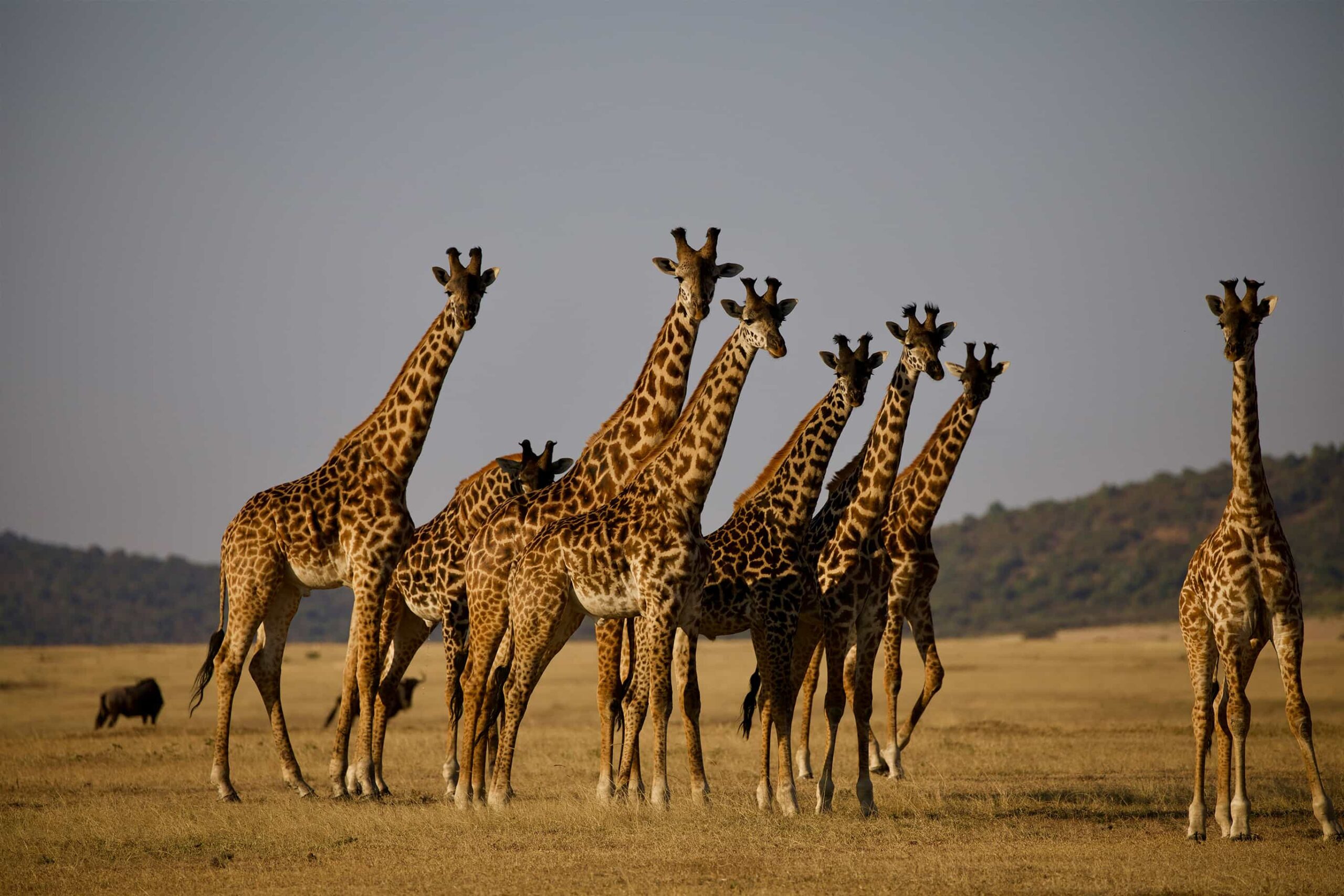
- Quality5
- Location5
- Amenities5
- Services5
- Price5
8 Days Classic Sunset and Wildbeest Migration Safari in Tanzania
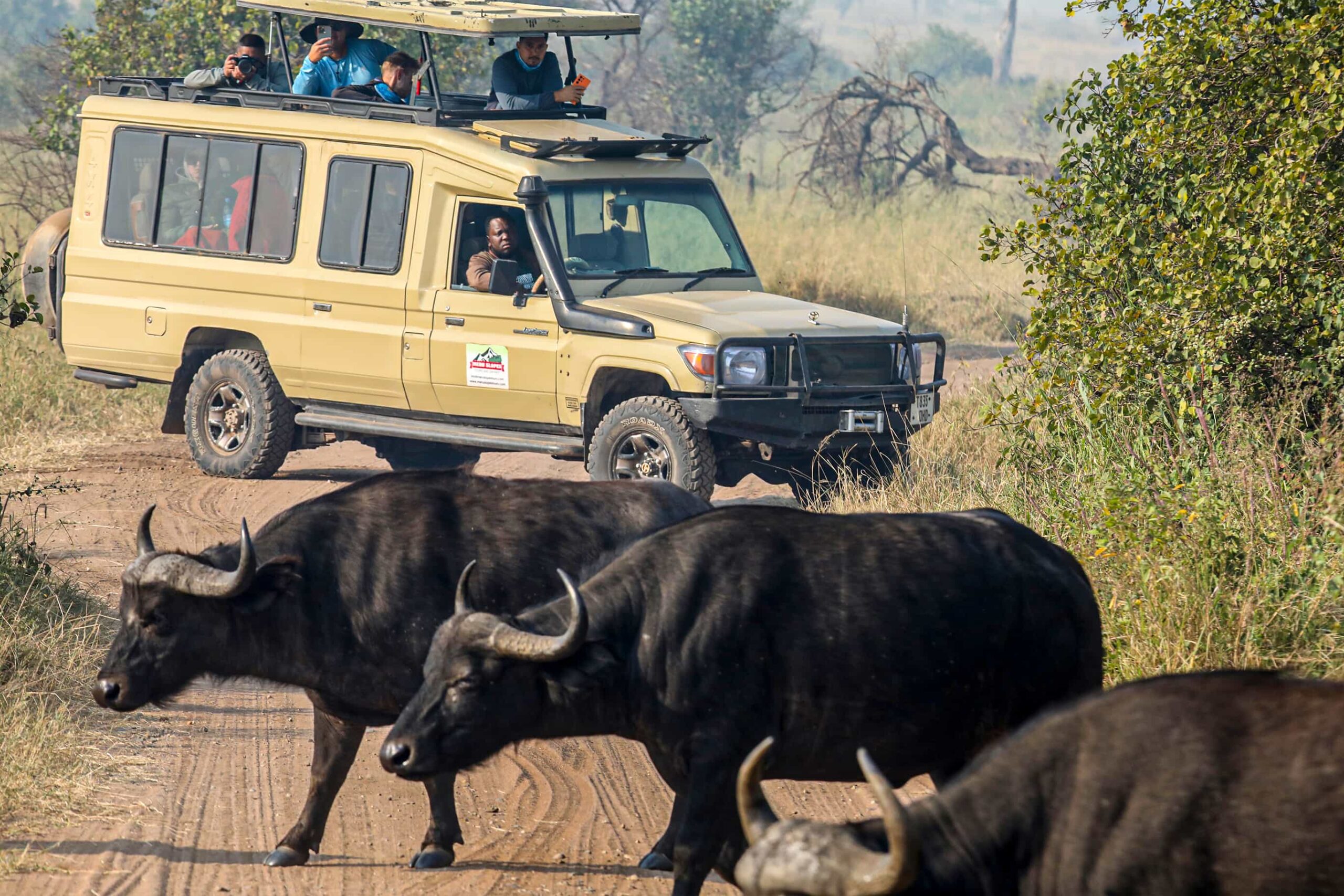
- Quality5
- Location5
- Amenities5
- Services5
- Price5
5 Day Fly into Serengeti Great Migration from Zanzibar
Why Travel With Us
- Best Price
- Experienced Guides
- Travel Convinience
- Daily Services
- Top Rated
- Customized Travel Plans