
Kitulo National Park
Kitulo National Park is one of Tanzania’s most unique and visually stunning природные destinations, widely celebrated as the “Garden of God.” Nestled in the southern highlands, this extraordinary park offers a refreshing alternative to traditional wildlife safaris by focusing on botanical richness, panoramic landscapes, and peaceful natural surroundings. Unlike the savannah parks of northern Tanzania, Kitulo is defined by its rolling montane grasslands, seasonal wildflower blooms, and crisp mountain air.
What makes Kitulo National Park truly exceptional is its ecological significance. It is one of the few protected areas in tropical Africa established primarily for the conservation of flora rather than large mammals. This makes it a must-visit destination for botanists, hikers, photographers, and travelers seeking tranquility away from crowded safari circuits. The park provides a rare opportunity to immerse yourself in a quiet, untouched ecosystem where nature thrives in its purest form.
Where is Kitulo National Park Located?
Kitulo National Park is strategically located between the Kipengere, Poroto, and Livingstone mountain ranges in southern Tanzania, forming a high-altitude plateau that offers sweeping views and dramatic scenery. It lies approximately 100 kilometers from Mbeya town, making it accessible yet still remote enough to preserve its pristine environment.
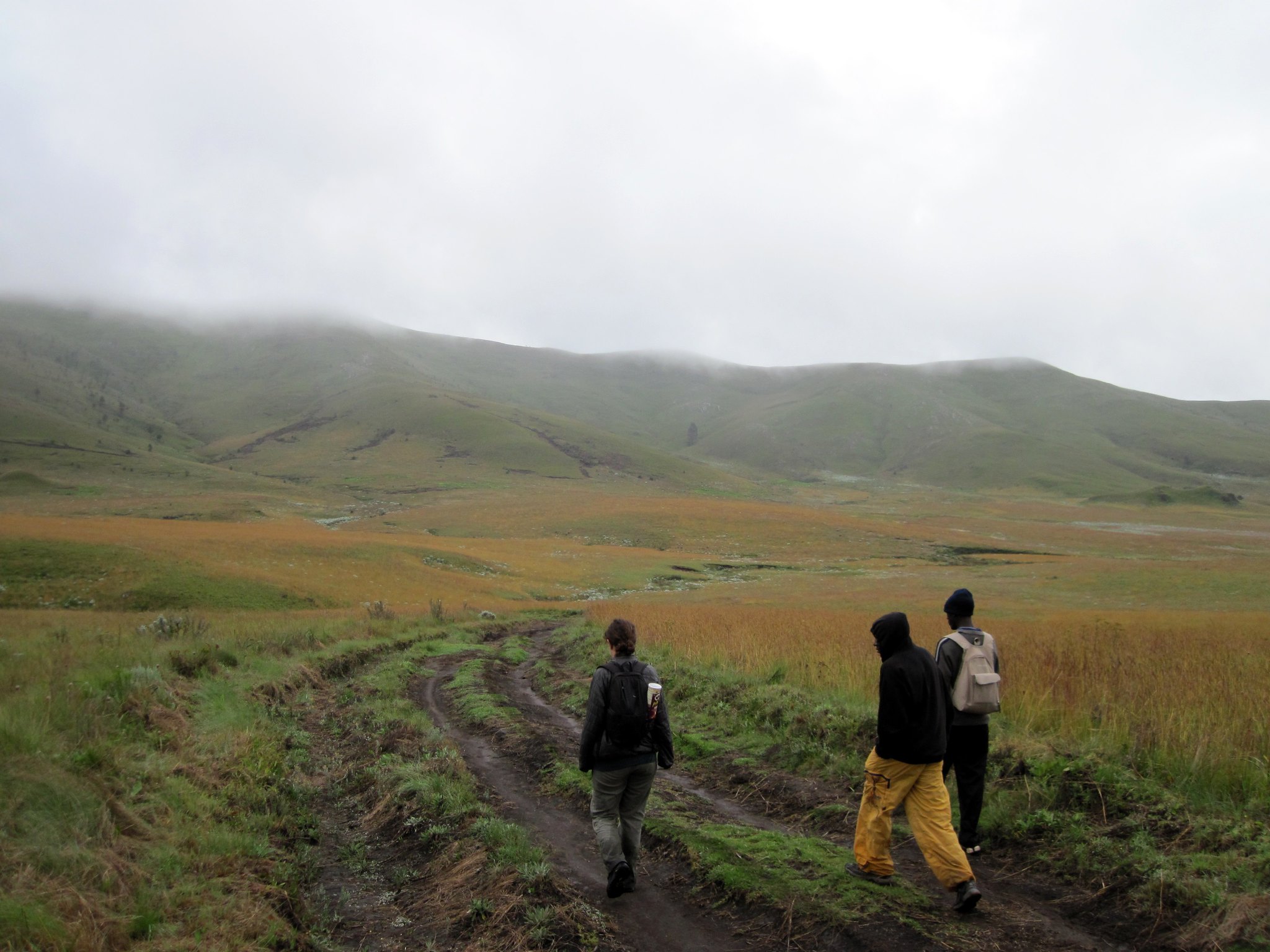
Covering around 412 square kilometers, the park sits at an elevation of about 2,600 meters above sea level. This high altitude contributes to its unique climate, characterized by cool temperatures, misty mornings, and occasional fog that enhances the mystical beauty of the landscape. The surrounding mountains act as natural barriers, creating a distinct ecosystem that supports rare plant species found nowhere else in the region.
Why Kitulo National Park is Called the Garden of God
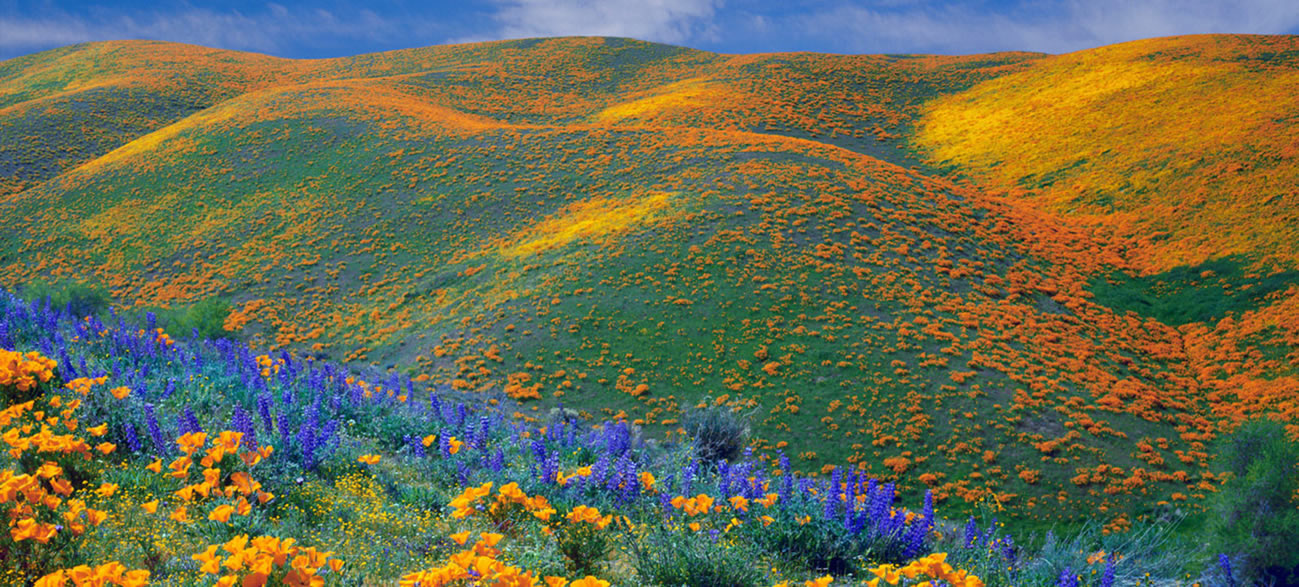
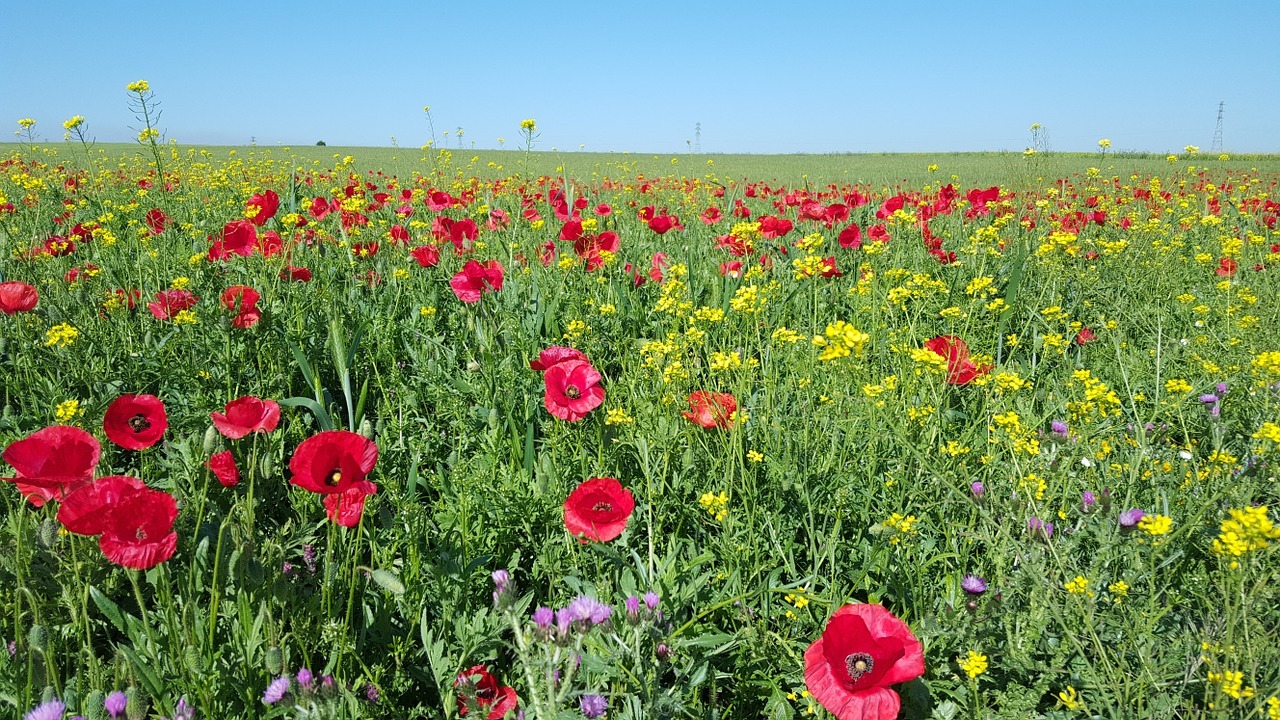
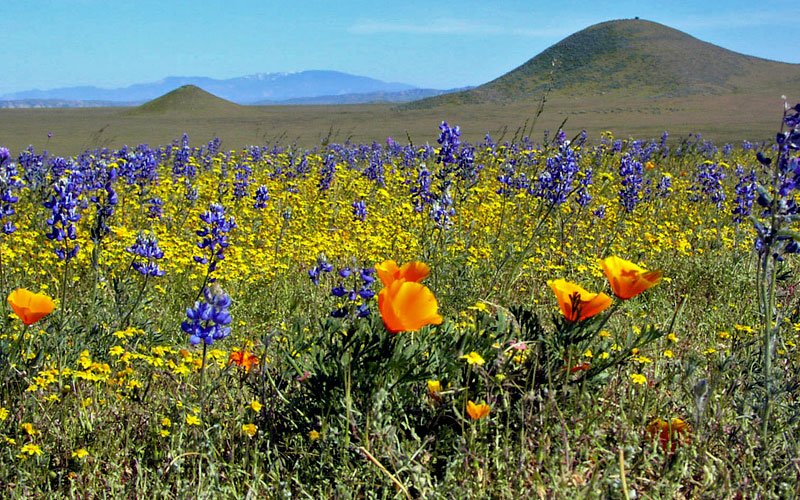
The nickname “Garden of God” perfectly captures the breathtaking transformation that occurs in Kitulo National Park during the rainy season. From November to April, the park bursts into life as thousands of wildflowers bloom simultaneously, covering the plateau in vibrant shades of purple, yellow, red, white, and orange.
This floral spectacle includes over 350 plant species, with more than 45 species of orchids alone. Many of these flowers are endemic to the region, meaning they cannot be found anywhere else on Earth. The combination of fertile volcanic soils, consistent rainfall, and high-altitude conditions creates the perfect environment for this botanical explosion. Walking through Kitulo during peak bloom feels like stepping into a natural garden stretching endlessly across the hills—hence its divine nickname.
Wildlife in Kitulo National Park
Although Kitulo National Park is primarily known for its plant diversity, it also supports a variety of wildlife species adapted to highland environments. Large mammals are present but less dominant compared to other Tanzanian parks, offering a quieter and more intimate wildlife experience.
Visitors may encounter species such as eland, one of the largest antelopes in Africa, as well as reedbuck, mountain reedbuck, bushbuck, and occasional zebras grazing across the plains. The park’s open landscapes make it easy to spot these animals, especially during early morning or late afternoon.
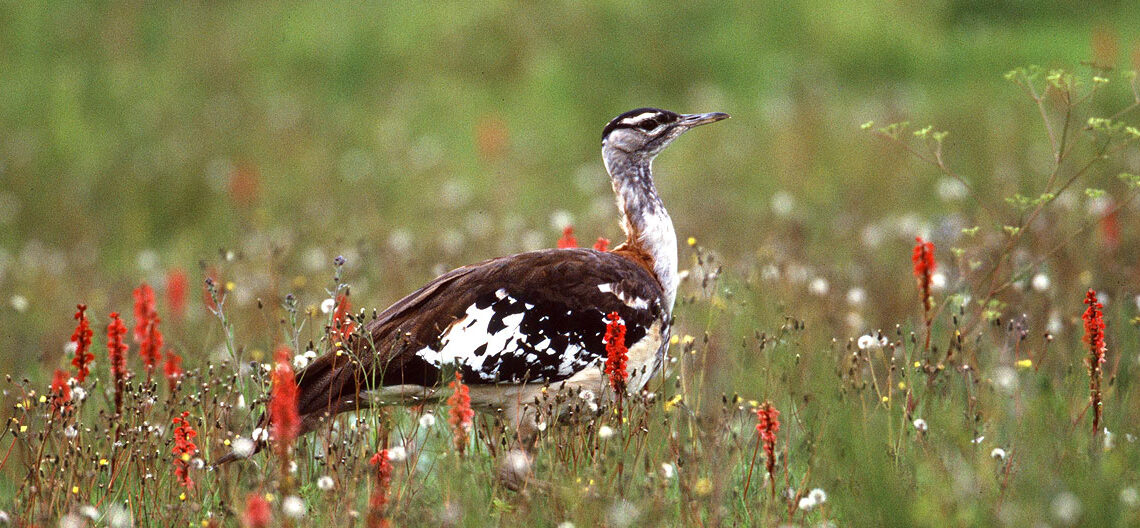
Kitulo is also a paradise for birdwatchers. It hosts several rare and endemic bird species, including the endangered blue swallow and Denham’s bustard. The Njombe cisticola, a species found only in this region, is a highlight for avid bird enthusiasts. The diversity of birdlife adds another layer of richness to the park’s ecosystem.

Top Things to Do in Kitulo National Park
1. Wildflower Viewing
The main attraction of Kitulo National Park is its spectacular wildflower display. During the rainy season, the landscape transforms into a living canvas of colors, offering unmatched opportunities for nature appreciation. Each month brings different species into bloom, ensuring a constantly changing visual experience.

2. Hiking and Nature Walks
Kitulo offers some of the best hiking experiences in Tanzania’s highlands. The terrain is relatively gentle, making it suitable for both casual walkers and experienced hikers. Guided nature walks provide deeper insight into the park’s flora, geology, and ecological importance.
3. Birdwatching
With its diverse habitats, Kitulo National Park is a top destination for birdwatching. The open grasslands and wetlands create ideal conditions for spotting both resident and migratory bird species. Birdwatching here is peaceful and rewarding, free from large crowds.
4. Photography
The park’s dramatic scenery and vibrant plant life make it a dream destination for photographers. From macro photography of delicate orchids to wide-angle shots of rolling hills covered in flowers, Kitulo offers endless creative possibilities.

5. Picnicking and Scenic Relaxation
Kitulo’s serene environment makes it perfect for picnics and relaxation. Visitors can enjoy quiet moments surrounded by nature, with uninterrupted views of the highland plateau and distant mountain ranges.
Best Time to Visit Kitulo National Park
The best time to visit Kitulo National Park largely depends on what you want to experience. The rainy season, from November to April, is the most popular time due to the spectacular wildflower blooms. During this period, the park is at its most colorful and vibrant.
However, the dry season from May to October also has its advantages. The weather is clearer, making it ideal for hiking and enjoying panoramic views of the surrounding mountains. While the flowers are less abundant during this time, the landscape remains beautiful and peaceful.
Travelers looking for the iconic “Garden of God” experience should prioritize visiting during the peak flowering months, typically between December and March.
How to Get to Kitulo National Park
Reaching Kitulo National Park is relatively straightforward, though it requires some planning due to its remote location. The most common access point is Mbeya town, a major hub in southern Tanzania.
From Mbeya, visitors can take a scenic drive of approximately 1.5 to 2 hours to reach the park. The journey itself is an experience, passing through rolling hills, farmland, and traditional villages. For those traveling from other parts of Tanzania, flights are available to Songwe Airport, followed by a road transfer to the park.
A 4×4 vehicle is recommended, especially during the rainy season when some roads may become challenging.
Accommodation Options
Accommodation options near Kitulo National Park are relatively limited, which helps preserve its untouched nature. Most visitors choose to stay in Mbeya town, where a range of hotels and guesthouses are available to suit different budgets.
For a more immersive experience, basic camping facilities are available within the park, allowing visitors to stay closer to nature. Some nearby lodges also offer simple but comfortable accommodations with beautiful views of the highlands.
As tourism in the region grows, more eco-friendly accommodation options are gradually being developed.
Travel Tips for Visiting Kitulo National Park
When planning a trip to Kitulo National Park, preparation is key to ensuring a smooth and enjoyable experience. Due to its high altitude, temperatures can be quite cool, especially in the mornings and evenings, so warm clothing is essential.
Comfortable hiking shoes are recommended for exploring the park’s trails, and visitors should carry enough water and snacks, as facilities within the park are minimal. Hiring a knowledgeable guide can greatly enhance your visit by providing insights into the park’s unique plant species and ecosystems.
It is also advisable to check weather conditions before traveling, particularly during the rainy season.
Why Visit Kitulo National Park?
Kitulo National Park offers a rare and refreshing travel experience that stands apart from Tanzania’s traditional safari destinations. It is a place where visitors can reconnect with nature, enjoy breathtaking scenery, and discover a different side of Africa’s natural beauty.
The park is ideal for those who appreciate solitude, botanical diversity, and scenic landscapes. Whether you are a photographer, a nature enthusiast, or simply looking for a peaceful retreat, Kitulo National Park delivers an unforgettable experience.
Kitulo National Park truly deserves its title as the “Garden of God.” Its extraordinary wildflower displays, serene highland environment, and unique ecological significance make it one of Tanzania’s most remarkable yet underrated destinations.
For travelers seeking something beyond the typical safari, Kitulo National Park offers a journey into a world of color, calm, and natural wonder. Visiting this hidden gem is not just a trip—it is an experience that leaves a lasting impression of Tanzania’s diverse beauty.
Why Visit Saadani National Park?
Saadani National Park is an exceptional destination for travelers seeking a unique and versatile safari experience. Its combination of wildlife, river systems, and coastline provides a level of diversity rarely found elsewhere.
It is particularly suited for those who:
- Want to combine safari adventures with beach relaxation
- Prefer a quieter and less crowded environment
- Appreciate diverse landscapes and ecosystems
- Seek a convenient safari option near major cities or Zanzibar
The park’s distinctive character makes it a memorable addition to any Tanzania itinerary.
Travel Tips for Saadani National Park
To fully enjoy your visit to Saadani National Park, consider the following:
- Pack lightweight and breathable clothing suitable for warm coastal conditions
- Use sunscreen, sunglasses, and hats for sun protection
- Carry insect repellent, especially for evening activities
- Bring binoculars and a camera to enhance wildlife viewing
- Plan your itinerary carefully, especially during the rainy season
Proper preparation ensures a comfortable and enjoyable safari experience.
Saadani National Park vs Other Parks
Saadani National Park offers a different experience compared to iconic parks like Serengeti or Nyerere. While it may not have the same concentration of large predators, it excels in providing a peaceful, scenic, and diverse environment.
Its coastal setting and variety of activities make it ideal for travelers looking for a more relaxed and multi-dimensional safari experience.
Saadani National Park is a remarkable destination that redefines the traditional safari experience. By combining wildlife viewing with coastal beauty, it offers a unique opportunity to explore Tanzania from a different perspective.
Whether you are enjoying a game drive, cruising along the Wami River, or relaxing on the beach, Saadani National Park delivers an experience that is both enriching and unforgettable.