

If you’re wondering what to know before going on safari, you’re not alone. Many travelers only discover the most important safari tips after their trip. Preparing well enhances your safety, comfort, wildlife sightings, and overall experience. This guide breaks down everything you need to know in clear, helpful paragraphs.
Safari Etiquette
One of the most overlooked parts of what to know before going on safari is basic etiquette. Staying quiet around animals, keeping your arms inside the vehicle, and respecting your guide’s instructions are essential for a safe and enjoyable experience. Good etiquette protects both you and the wildlife.
Tipping Expectations
A major part of what to know before going on safari is how tipping works. Safari guides typically receive $10–$20 per person per day, while drivers get $5–$10. Lodge staff usually share a tip box. Bringing small denominations in USD or TZS ensures you can tip fairly and conveniently.
Insect Protection
Understanding insect protection is important when considering what to know before going on safari. Safaris expose you to mosquitoes and tsetse flies, so carry strong DEET repellent, wear neutral clothing, and avoid black or blue shades. Follow your doctor’s advice regarding malaria medication.
Packing Essentials
Packing correctly is a key part of what to know before going on safari. Neutral-colored clothing, a warm jacket, sunglasses, comfortable shoes, and a refillable water bottle are essential. A power bank and lightweight bags make long game drives more comfortable and practical Explore More.


Park Rules
Another important element of what to know before going on safari is understanding park rules. You must not feed animals, litter, or leave the vehicle unless allowed. Off-road driving is restricted in most parks, and drones require special permits. Respecting the rules keeps the ecosystem safe.
The Importance of Timing
Timing is crucial when thinking about what to know before going on safari. Wildlife sightings vary by season, with the dry season offering the clearest views. The Great Migration also depends on timing river crossings usually happen July–September, while calving season is December–March.
Safari Vehicle Types
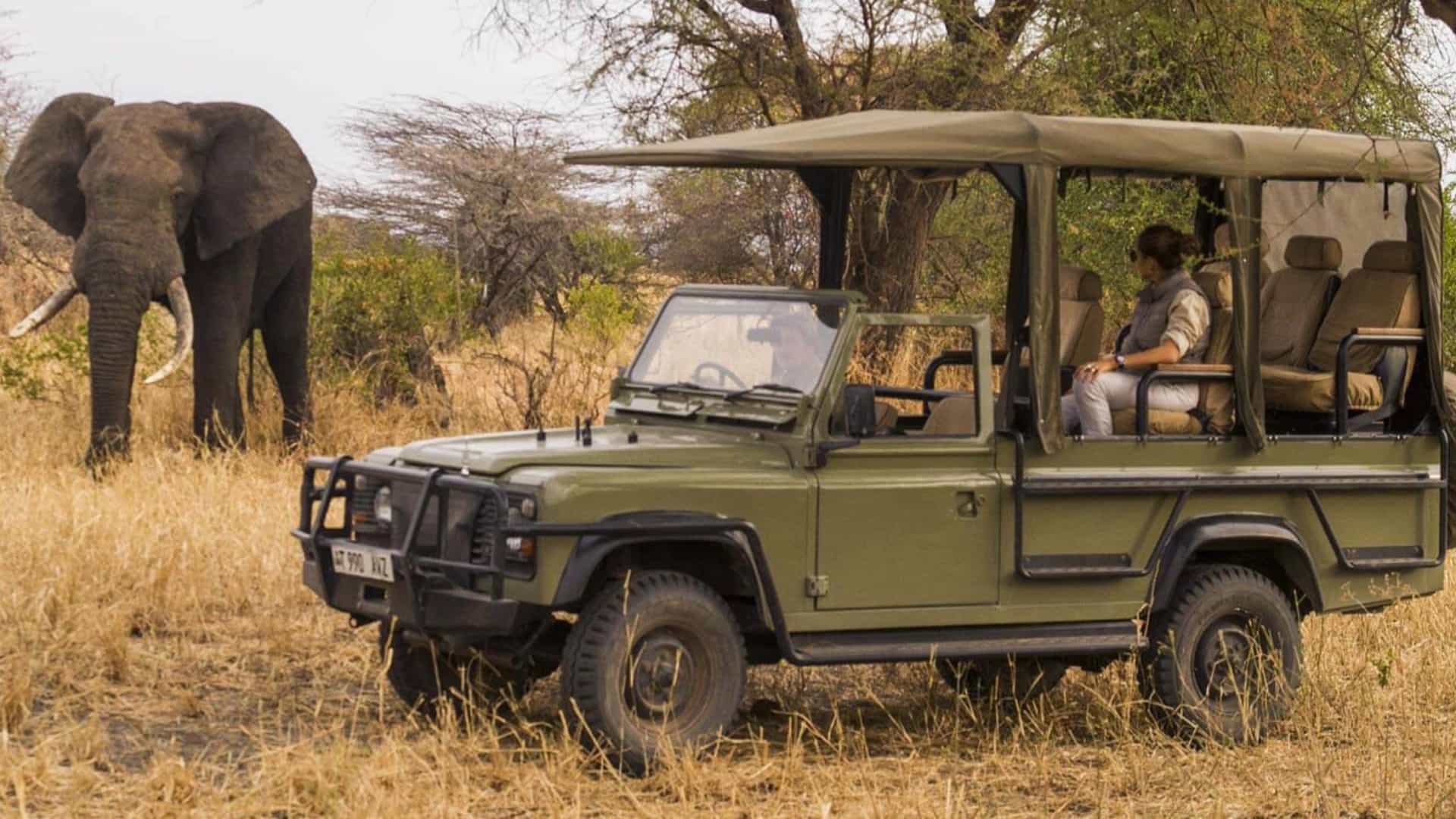
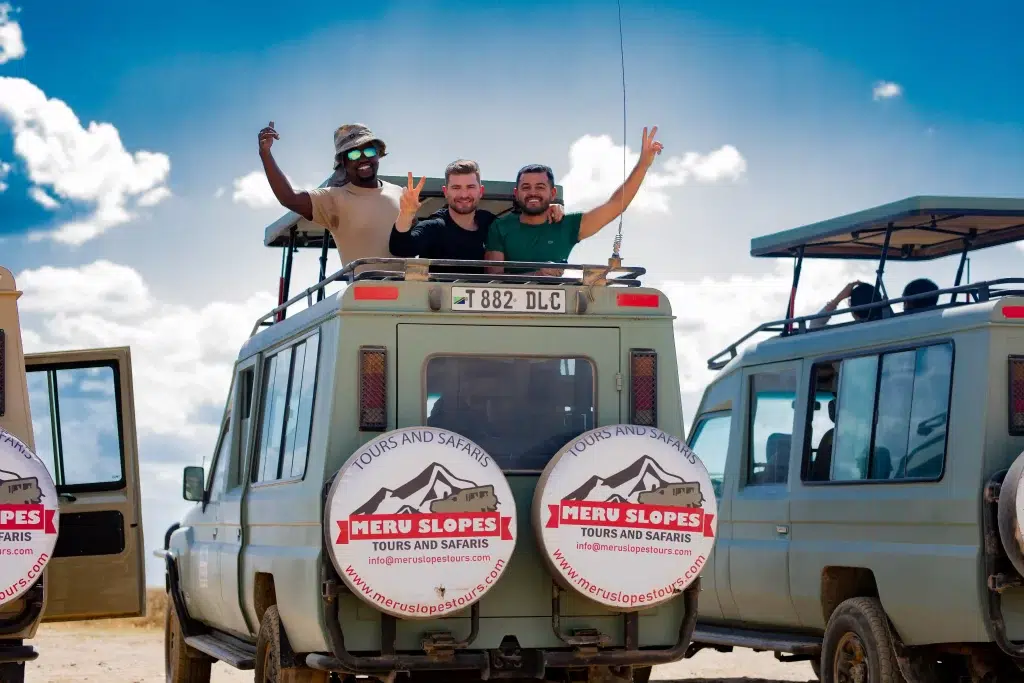
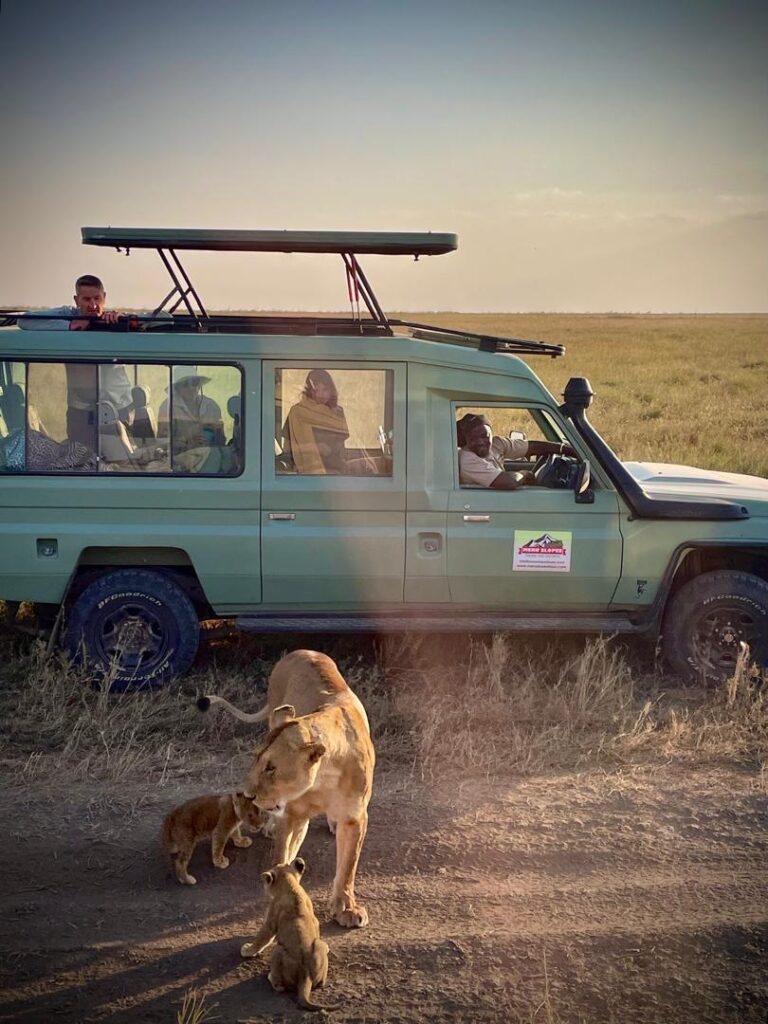
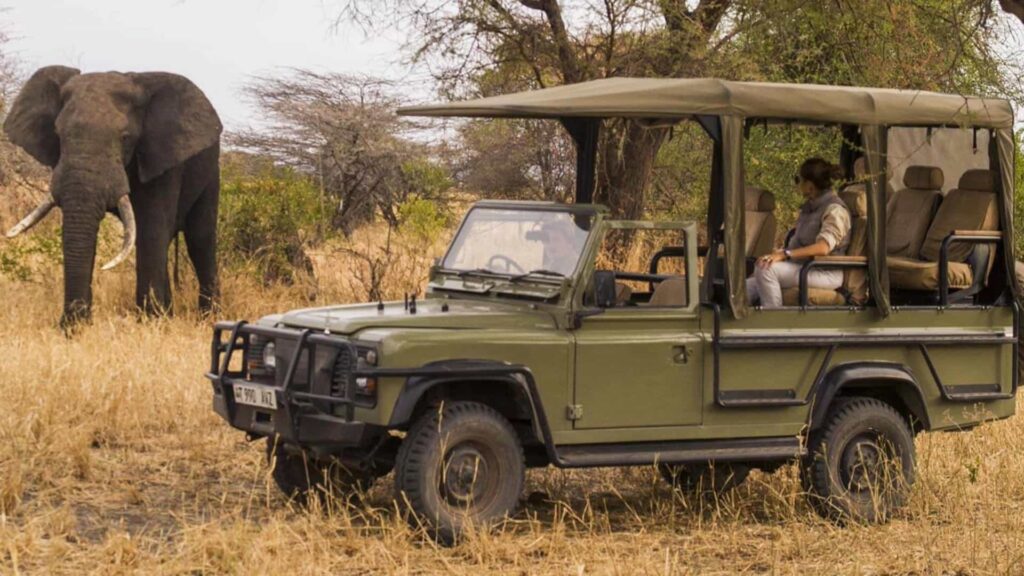
Choosing the right vehicle is part of what to know before going on safari. Land Cruisers with pop-up roofs provide the best visibility. Extended Cruisers offer more space, while open-sided vehicles are great for photography in southern Tanzania. Budget vans are available but less comfortable.

Understanding Wildlife Behavior
Knowing some wildlife behavior helps you understand what to know before going on safari. For example, elephants flap their ears to cool off, lions lift their tails when alert, and wildebeest sniffing the air often indicates migration movement. Guides will explain these signs during your drives.
Photography Tips
Photography is a big part of what to know before going on safari. A zoom lens of 200–600mm is ideal, and early morning or late afternoon light gives the best results. Turn off the engine for sharper shots and carry a soft cloth to clean dust off your gear.
Long Hours on Game Drives
One essential part of what to know before going on safari is that game drives can be long often 6 to 10 hours. Roads are bumpy and dusty, so bring snacks, extra water, wet wipes, sunscreen, and a neck pillow for added comfort.
Now that you understand what to know before going on safari, you can plan with confidence. From etiquette and tipping to packing, wildlife behavior, and timing, the right preparation ensures a safer, smoother, and more rewarding safari experience.