
Tanzania Migration Calendar
Tanzania Migration Calendar – Best Time to Witness the Great Wildebeest Migration
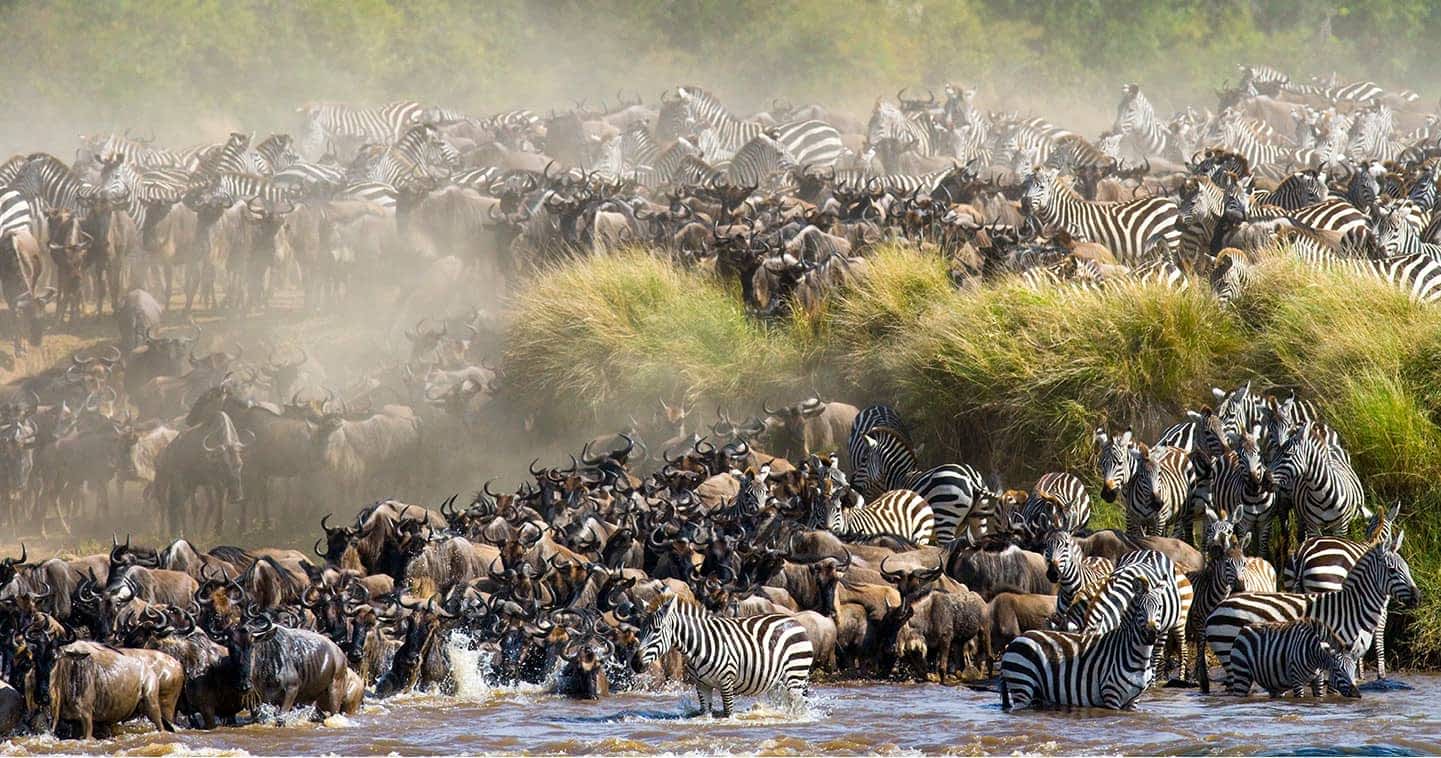
The Tanzania Migration Calendar is your ultimate guide to understanding one of nature’s most breathtaking events the Great Wildebeest Migration. Every year, over 1.5 million wildebeests, accompanied by thousands of zebras and gazelles, move in a circular journey through the Serengeti ecosystem, following the rhythm of the rains and the promise of fresh grazing lands. This migration is not just a movement of animals; it’s a story of survival, birth, and dramatic river crossings that define the wild heart of Tanzania.
January – March: Calving Season in Southern Serengeti
From January to March, the migration settles on the southern plains of Serengeti, especially around Ndutu and the Ngorongoro Conservation Area. This is the calving season, when thousands of wildebeests give birth on the lush green plains. It’s an incredible time for wildlife enthusiasts and photographers newborn calves take their first steps while predators such as lions, cheetahs, and hyenas lurk nearby, creating thrilling predator-prey interactions.
April – May: Moving Toward the Central Serengeti
As the rains end, the herds begin to move northward through the Central Serengeti (Seronera area). During these months, the grasslands are lush and less crowded by tourists, offering a peaceful and scenic safari experience. The migration forms long columns of wildebeests and zebras, providing iconic photo opportunities across the rolling Serengeti plains.
June – July: Grumeti River Crossings
By June, the migration reaches the Western Corridor, where one of the most dramatic events unfolds the Grumeti River crossing. Here, herds gather at the riverbanks, facing the daunting challenge of crossing waters filled with hungry crocodiles. The tension, splashing, and chaos make this one of the most unforgettable wildlife moments on Earth.
August – October: Mara River Crossings
Between August and October, the herds arrive at the northern Serengeti, near the Mara River. This is the peak migration season, attracting travelers from around the world. The Mara River crossings are truly spectacular a life-and-death struggle as wildebeests leap into crocodile-infested waters in their journey toward the Maasai Mara in Kenya. This is the best time for adventure seekers and photographers to witness raw African wilderness at its most dramatic.
November – December: Returning South
As the short rains return, the herds make their way back to the southern Serengeti plains, completing their circular route. This movement marks the start of a new cycle in the Tanzania Migration Calendar, as the wildebeests follow the rains and prepare once again for calving season.
Best Time to Visit Tanzania for the Great Migration
Calving Season (Jan – Mar): Best for witnessing births and predator action.
Grumeti River Crossings (Jun – Jul): Ideal for those seeking thrilling wildlife scenes.
Mara River Crossings (Aug – Oct): Peak migration activity and best photographic opportunities.
Low Season (Apr – May): Fewer crowds, lush scenery, and peaceful game viewing.
Why Plan Your Safari Around the Tanzania Migration Calendar
Understanding the Tanzania Migration Calendar helps travelers choose the perfect time and location for their safari. Whether you dream of seeing baby wildebeests take their first steps or witnessing heart-stopping river crossings, timing is key. Each month offers a unique wildlife experience making the Serengeti one of the most dynamic and rewarding safari destinations in the world.