
Quick answer: When is the best time for a luxury Tanzania safari? For most travelers, it’s June through October, the long dry season, when game viewing across the Serengeti, Ngorongoro Crater, and Tarangire peaks and the Great Migration’s dramatic Mara River crossings take place. For a quieter, equally luxurious alternative built around newborn wildlife, late January to February, the wildebeest calving season on the Ndutu plains, is outstanding. Travelers who prioritize value, privacy, and lush scenery and don’t mind short afternoon showers can find deep discounts and near-exclusive camps during the March–May green season.
Whichever window fits your travel style, Meru Slopes Tours & Safaris a locally based, Arusha-headquartered operator regularly answers the question of when is the best time for a luxury Tanzania safari by designing each luxury safari package around exactly this kind of seasonal timing, so your dates, camps, and game-viewing routes line up for the best possible experience.
Direct Answer of When Is the Best Time for a Luxury Tanzania Safari?
The table below breaks down exactly when is the best time for a luxury Tanzania safari, season by season:
| Travel Window | Why It’s Best for Luxury Travelers | Signature Experience |
|---|---|---|
| June – October (long dry season) | Peak wildlife concentration, driest roads, best light for photography | Mara River crossings, Big Five sightings |
| January – February (short dry/calving) | Warm weather, dramatic predator action, fewer crowds than July–August | Wildebeest calving on the Ndutu Plains |
| March – May (green season) | Lowest luxury-lodge rates, lush scenery, birdlife, private game drives | Emerald landscapes, exclusive-use camps |
| November – December (short rains) | Transitional season, herds move south, moderate pricing | Fewer vehicles, vividly green Serengeti |
Why June–October Is Peak Luxury Safari Season
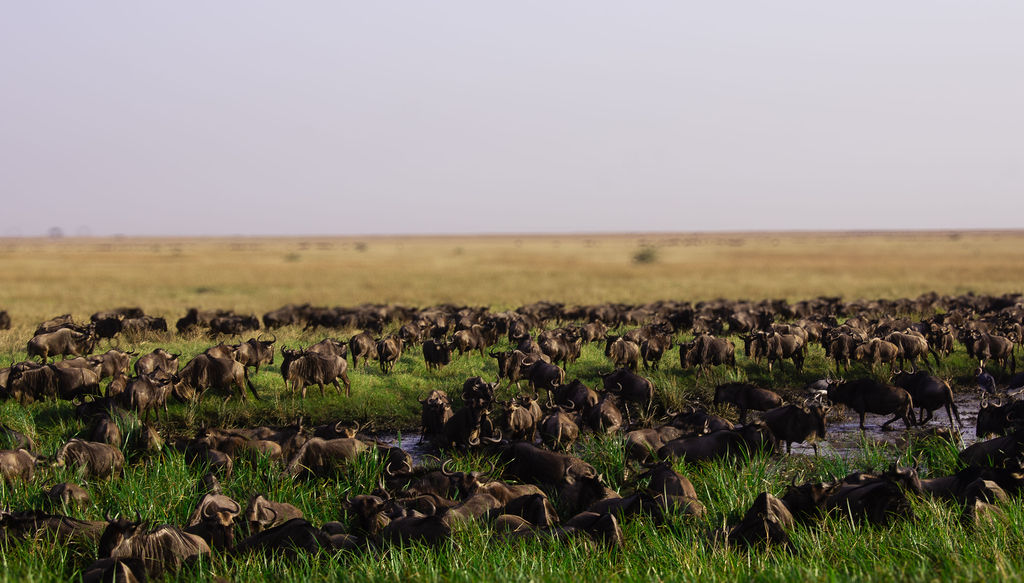
Anyone asking when is the best time for a luxury Tanzania safari will hear June through October most often, and for good reason. As the long dry season sets in, vegetation thins across northern Tanzania and wildlife concentrates around the remaining water sources. This is when the herds well over a million wildebeest, plus zebra and gazelle push into the northern Serengeti for the crocodile-filled river crossings, one of the most sought-after sights in African travel. Because demand is so high, top northern-Serengeti lodges for the July–September window typically book out six to twelve months in advance.
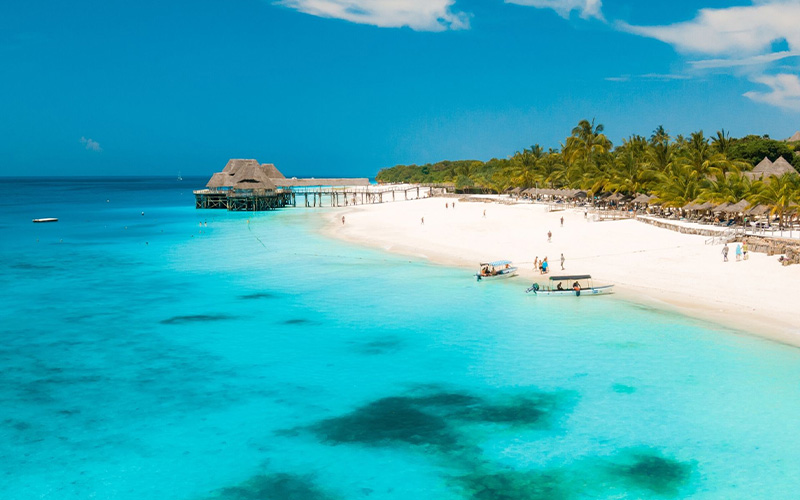
Weather is also at its most dependable sunny days, cool nights, minimal rain which matters for private charter flights between camps, hot-air balloon safaris, and open-vehicle game drives that define the luxury safari experience. This is another reason June through October so often answers the question of when is the best time for a luxury Tanzania safari: August in particular pairs the height of the migration with cooler, dry conditions ideal for combining a safari with a Zanzibar beach stay.
Why Calving Season (January–February) Rivals the Dry Season
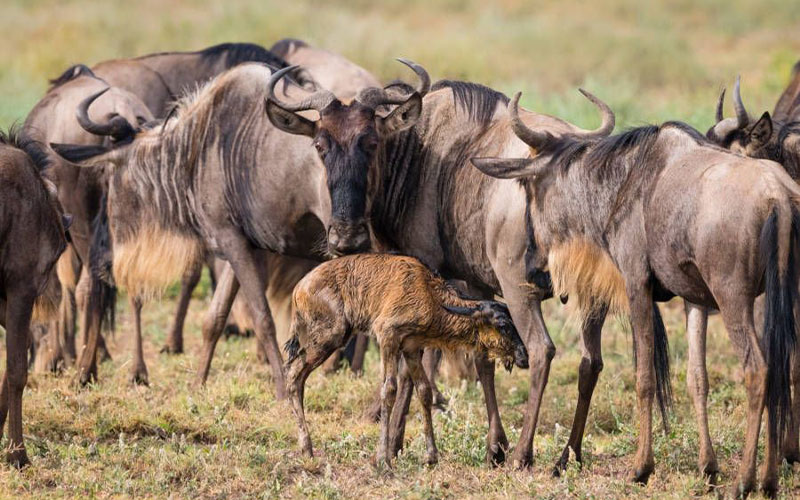
If you ask ten safari experts when is the best time for a luxury Tanzania safari, several will point to January and February instead of the classic dry season. Many experienced safari planners rate the short dry season just as highly as peak season arguably more so for photographers and repeat visitors. On the short-grass plains around Ndutu, at the southern edge of the Serengeti bordering the Ngorongoro Conservation Area, an estimated 8,000 wildebeest calves are born every day at the height of the season a spectacle that draws intense predator activity as lions, cheetahs, and hyenas target the newborn herds. The landscape also stays lush and green from the earlier short rains, giving photographers a more vibrant backdrop, and crowds are noticeably thinner than during the July–August peak, letting private mobile camps around Ndutu offer near front-row access without vehicle congestion.
Why the Green Season (March–May) Appeals to Discerning Travelers
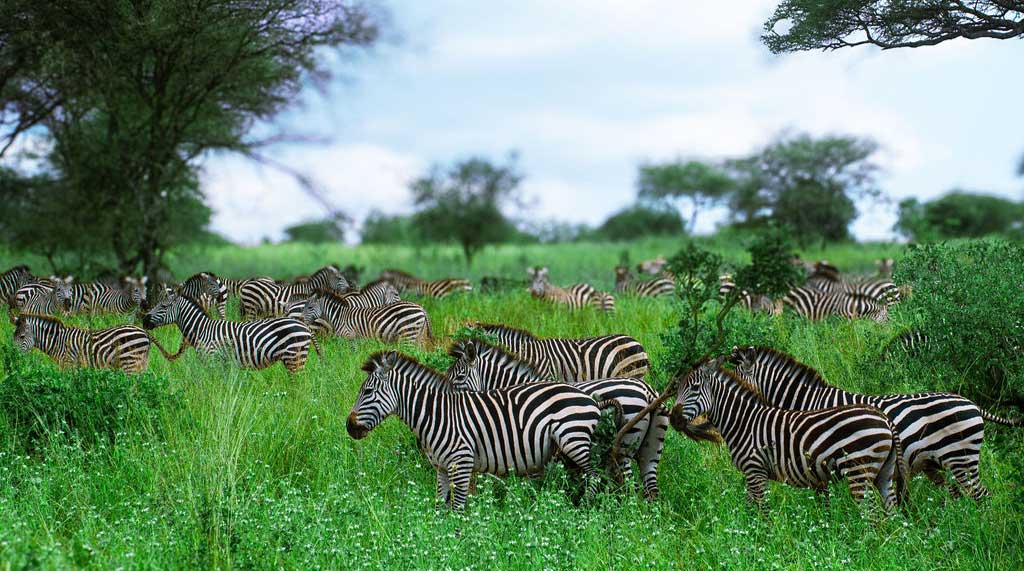
The long rains bring the fewest crowds of the year and the steepest discounts at Tanzania’s most exclusive camps. Some smaller properties close entirely, but those that stay open particularly mobile and semi-permanent luxury camps offer near-private use of prime game-viewing areas, dramatic skies, lingering newborn wildlife from calving season, and strong birding as migratory species arrive. It’s the season serious safari connoisseurs and photographers quietly favor precisely because it isn’t peak season.
Why the Green Season (March–May) Appeals to Discerning Travelers
For travelers weighing when is the best time for a luxury Tanzania safari against budget and privacy rather than pure wildlife density, March to May is worth serious consideration. The long rains bring the fewest crowds of the year and the steepest discounts at Tanzania’s most exclusive camps. Some smaller properties close entirely, but those that stay open particularly mobile and semi-permanent luxury camps offer near-private use of prime game-viewing areas, dramatic skies, lingering newborn wildlife from calving season, and strong birding as migratory species arrive. It’s the season serious safari connoisseurs and photographers quietly favor precisely because it isn’t peak season.
Best Time by Region of When Is the Best Time for a Luxury Tanzania Safari
The answer to when is the best time for a luxury Tanzania safari also depends on where in the country you’re headed Tanzania is bigger than the northern safari circuit, and timing shifts by region:
- Northern Circuit (Serengeti, Ngorongoro, Tarangire, Lake Manyara): June–October for the migration; January–February for calving.
- Southern Circuit (Nyerere/Selous, Ruaha): End of May through December brings mild, dry weather ideal for walking safaris in Ruaha National Park and this is where Tanzania’s most secluded ultra-luxury camps operate with far fewer visitors than the north.
- Western Circuit (Mahale Mountains, Gombe, Katavi): July–October is dry season and best for chimpanzee trekking.
- Zanzibar and the coast: Best combined with a safari in June–October or December–February; the heaviest April–May rains are worth avoiding for a beach finale.
Sample Luxury Itinerary Frameworks
Once you know when is the best time for a luxury Tanzania safari for your priorities, these itinerary frameworks show how the timing translates into an actual route:
10-Day Classic Migration Circuit (June–October): Arusha arrival → Tarangire (elephant herds) → Ngorongoro Crater rim lodge → Central Serengeti → Northern Serengeti near the Mara River for crossings → onward via Mount Kilimanjaro International or a Zanzibar extension. Meru Slopes Tours & Safaris runs this exact route as one of its wildebeest migration packages.
8-Day Calving Season Circuit (Late January–February): Arusha → Ngorongoro Crater → Ndutu Plains mobile camp for calving and predator action → Central Serengeti → Zanzibar beach extension. See Meru Slopes’ guide to the best time to witness the Great Migration for how this window fits into the annual cycle.
12-Day Southern Circuit Escape (June–December, low-density luxury): Dar es Salaam → Nyerere National Park (boat and walking safaris) → Ruaha National Park (exclusive-use camps) → Zanzibar or Mafia Island for diving.
Leading properties across these itineraries include Singita Sasakwa Lodge, the Four Seasons Safari Lodge Serengeti, Ngorongoro Crater Lodge, Chem Chem Safari Lodge, and Sand Rivers Selous consistently ranked among Tanzania’s top luxury safari lodges for their design, service, and access to prime wildlife areas. Whichever answer to when is the best time for a luxury Tanzania safari fits you best, Meru Slopes’ luxury packages and full itinerary collection can be adapted to your exact travel dates and lodge preferences.
Frequently Asked Questions
Is July or August better for a luxury Tanzania safari? Both months are strong answers when the question “when is the best time for a luxury Tanzania safari?” comes up, and both are excellent for migration viewing, but August is typically the busiest and most expensive month; July offers comparable wildlife with marginally lighter crowds before the peak hits.
Can I see the Great Migration and relax on a beach in the same trip? Yes most luxury itineraries pair 6–8 days on safari with 3–5 days in Zanzibar, connected by short flights from the Serengeti’s private airstrips.
Is the green season too rainy for a luxury safari? Rain typically falls in short afternoon bursts rather than all day, and many top camps stay open with reduced rates and near-private access to game-viewing areas one more reason the answer to when is the best time for a luxury Tanzania safari isn’t always “dry season only.”
Are there small-group or guided luxury options? Yes several operators run small-group luxury departures timed to the migration or calving season for travelers who prefer a curated, escorted itinerary over a fully private one.