Ngorongoro Crater

Ngorongoro Crater

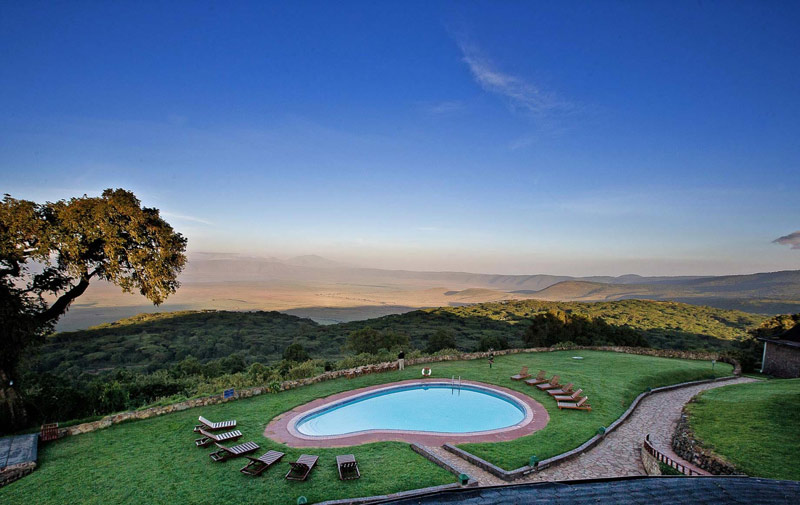
Ngorongoro Crater, located in northern Tanzania, is one of Africa’s most breathtaking natural wonders and a UNESCO World Heritage Site. Formed more than two million years ago from the collapse of a massive volcano, it is the world’s largest intact volcanic caldera, covering 260 square kilometers and surrounded by steep crater walls over 600 meters high. This unique ecosystem is home to an incredible density of wildlife, often referred to as “Africa’s Garden of Eden.” On a Ngorongoro Crater safari, visitors can spot the famous Big Five lion, elephant, buffalo, rhino, and leopard alongside herds of wildebeest, zebras, and gazelles. More than 500 bird species thrive here, from flamingos at Lake Magadi to forest and savannah species along the crater rim. Beyond wildlife, the area is rich in culture and history, with the Maasai people inhabiting the highlands and the nearby Olduvai Gorge offering archaeological treasures that trace the origins of humankind.
Attractions And Activities In Ngorongoro Crater and Conservation Area

Migration Safari 

1: Game Drives and wildlife viewing

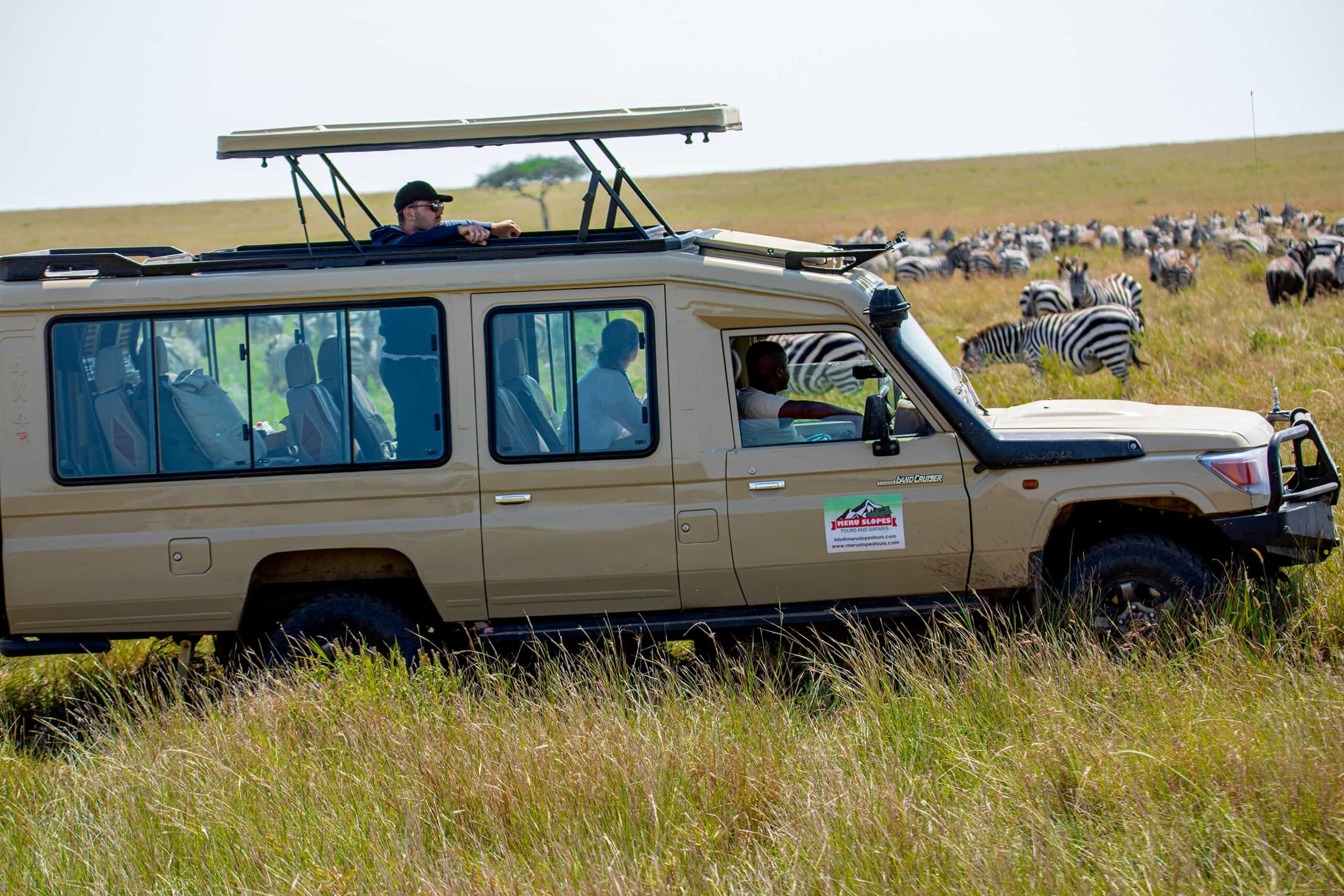
The most popular activity in Ngorongoro Crater is a game drive across the crater floor. Here, wildlife encounters are guaranteed, with elephants, lions, hippos, and large herds of grazers spread across the grasslands. The crater’s enclosed environment makes it one of the best safari locations in Tanzania for seeing animals up close. Early morning drives are particularly rewarding, as predators are most active and the light is perfect for photography.

Group Safari

2: Walking Safaris

For those seeking adventure, guided walking safaris provide a different perspective of Ngorongoro. Trails along the crater rim and treks to nearby volcanic craters such as Olmoti and Empakaai allow travelers to enjoy dramatic landscapes, lush forests, and soda lakes on foot. Walks are always accompanied by armed rangers for safety and offer the chance to spot smaller wildlife and unique plants often missed on game drives.

Lake Manyara National Park

3: Bird Watching

Ngorongoro Crater is a paradise for bird enthusiasts, offering sightings of more than 500 bird species. Around Lake Magadi, flocks of pink flamingos create a breathtaking spectacle, while eagles, ostriches, storks, and crowned cranes can be spotted across the crater floor. Seasonal migrations bring additional species, making birdwatching rewarding year-round.

7

4: Cultural Tours

A safari to Ngorongoro Crater is not complete without experiencing the culture of the Maasai people who live around the conservation area. Visiting a Maasai boma (village) gives travelers the opportunity to learn about their traditional lifestyle, cattle herding practices, colorful dress, and distinctive dances. These encounters provide cultural depth and help visitors understand the harmony between humans and wildlife in Ngorongoro.


105 scaled

5: Archaeological Tours


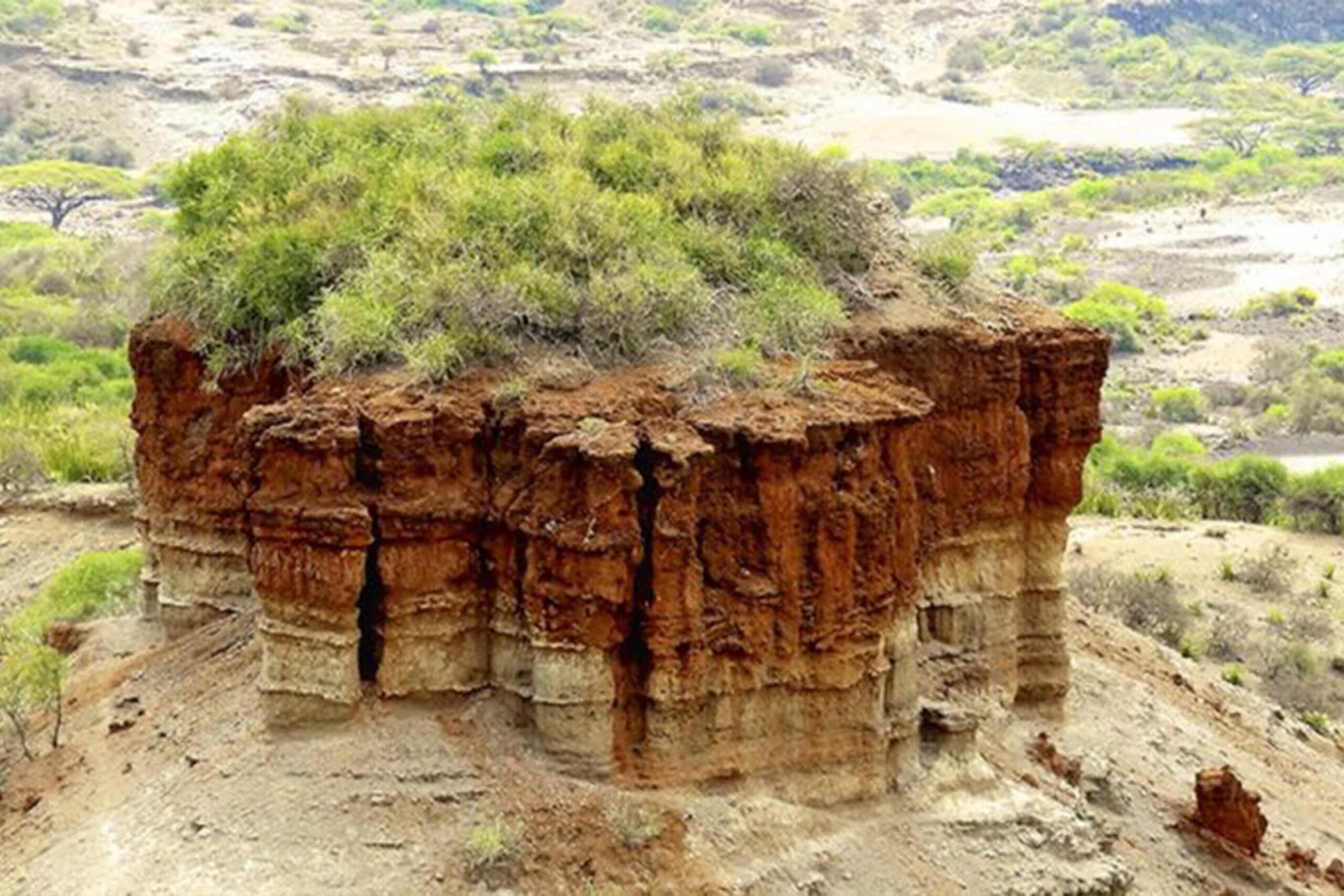
History lovers can explore Olduvai Gorge, one of the most important paleoanthropological sites in the world. Located within the Ngorongoro Conservation Area, this site preserves fossils and stone tools dating back millions of years. A visit to the Olduvai Gorge Museum reveals fascinating insights into early human evolution, making it a perfect complement to the natural wonders of the crater.

Best Time to Visit

  • January to March: Great for witnessing the Great Migration and wildlife births.
  • April and May: Wet season with lush landscapes, fewer crowds, but challenging for game viewing

Need Help

+255 754 583 455

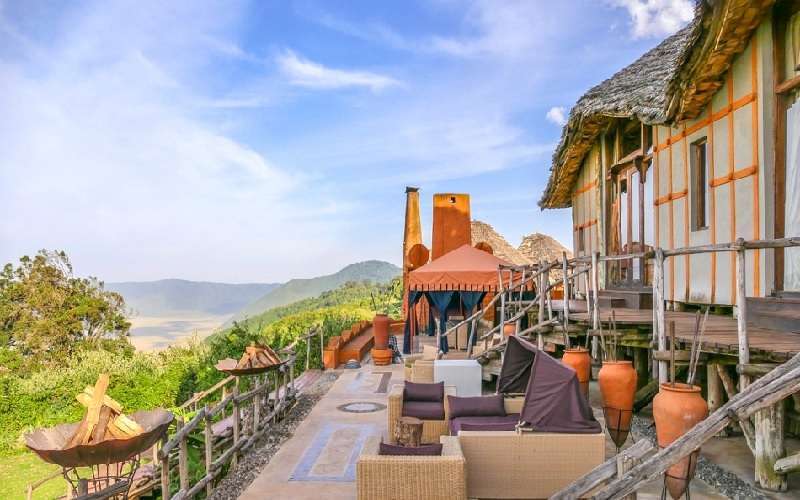
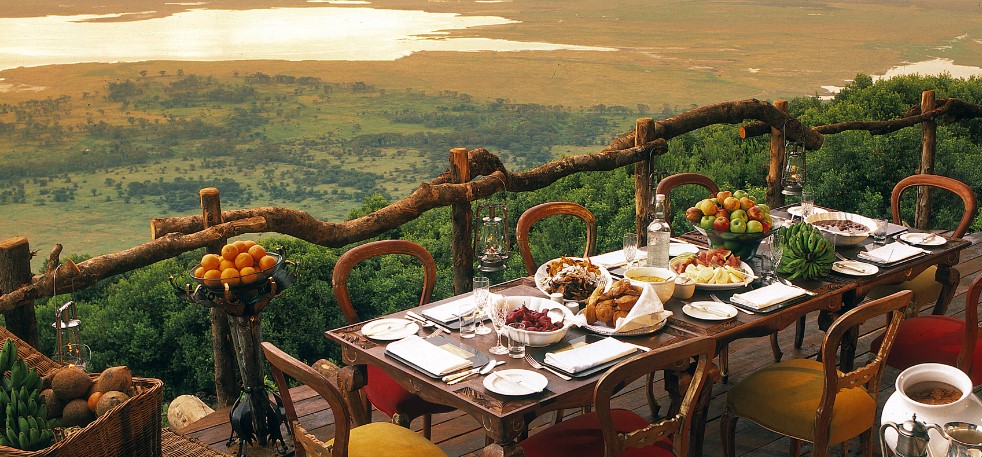
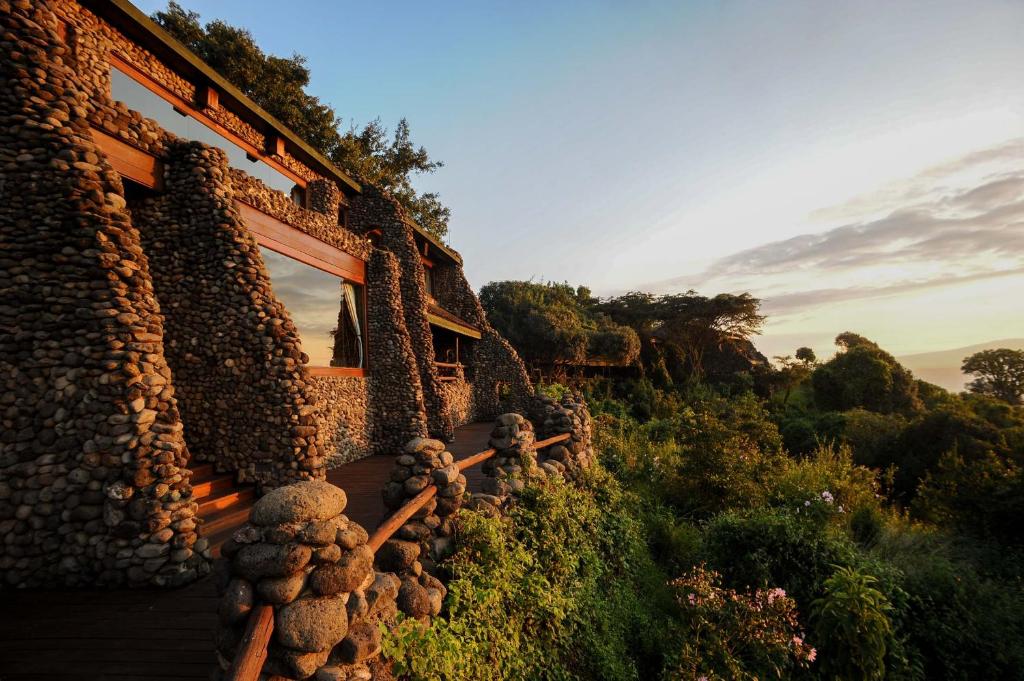
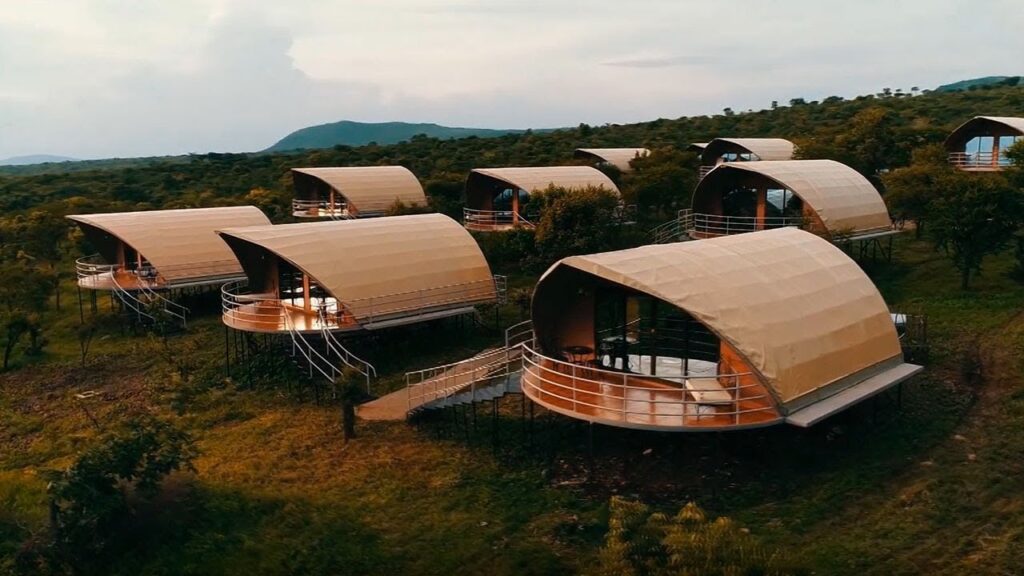
First-class lodging In Ngorongoro

Ngorongoro Crater
destination
326
325
324
323